
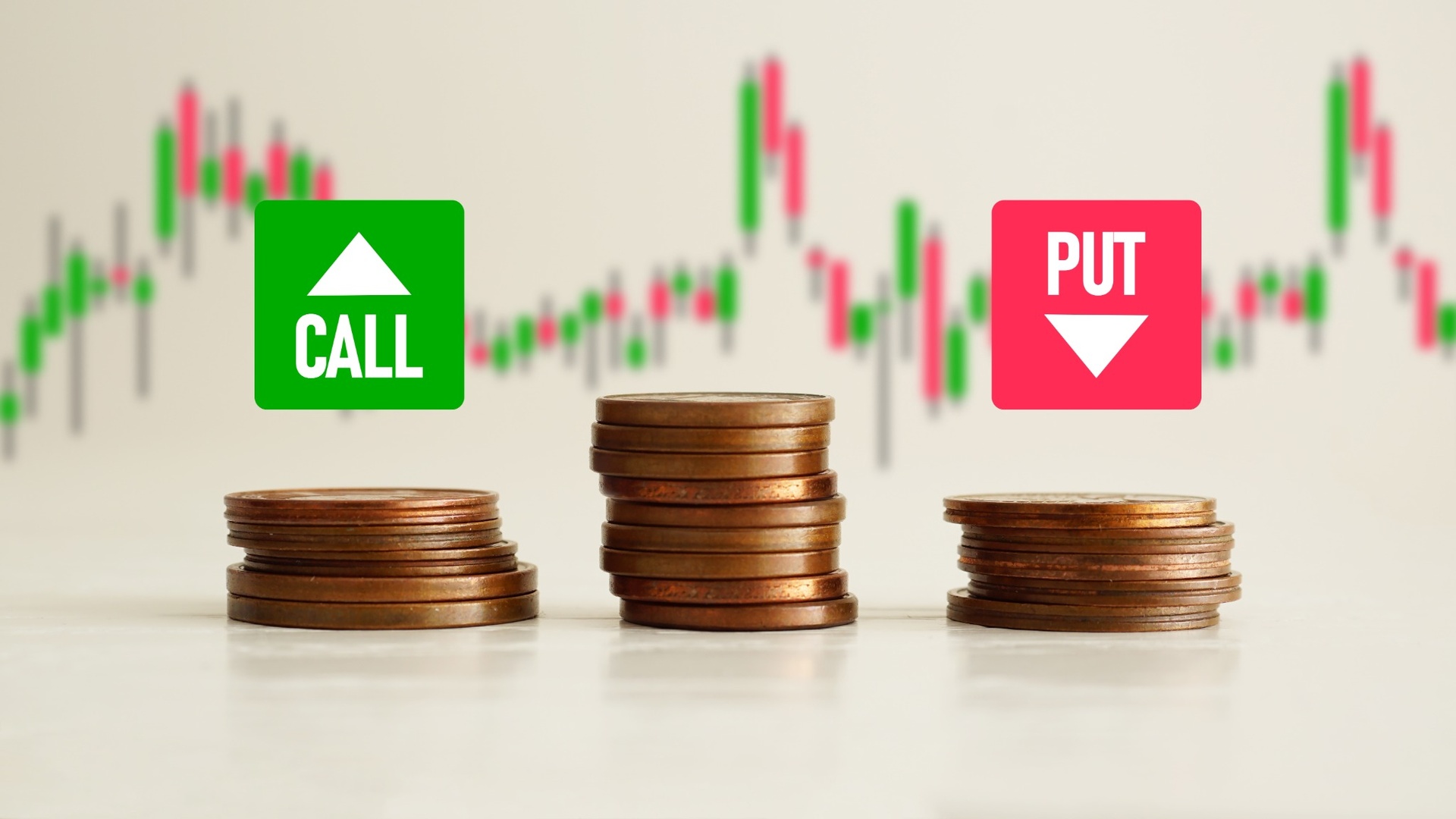
Options can sound intimidating, but the core idea is simple. An option is a contract that gives you the right, but not the obligation, to buy or sell an asset at a set price. Whether that right is to buy or to sell is exactly what separates a call option from a put option. This guide explains the difference in plain language, with examples, so you can understand how each one works before going any further.
What Are Options? The Basics
An options contract is tied to an underlying asset, most commonly a stock. One standard contract usually covers 100 shares. Every option has a few essential features:
- Strike price: the fixed price at which you can buy or sell the underlying stock.
- Expiration date: the date the contract ends. After it, the option is worthless.
- Premium: the price you pay to purchase the option. It is quoted per share, so a premium of $2 on a standard contract costs $200.
There are two sides to every contract. The buyer pays the premium and gets the right to act. The seller, also called the writer, collects the premium and takes on the obligation to fulfill the contract if the buyer exercises it.
The two basic types are calls and puts.
What Is a Call Option?
A call option gives the buyer the right to buy the underlying stock at the strike price before the expiration date. Investors buy calls when they expect the stock's price to rise.
Example: A stock trades at $50. You buy a call with a $55 strike price, expiring in two months, for a premium of $2 per share ($200 total). If the stock climbs to $65 before expiration, your option lets you buy at $55, so it has an intrinsic value of $10 per share. Subtracting the $2 premium, your profit is $8 per share, or $800.
If the stock stays below $55, the option expires worthless and you lose only the $200 premium. That is the maximum loss for a call buyer.
Why traders use calls:
- To speculate on a price increase with less money than buying the shares outright
- To gain upside exposure while limiting the amount at risk
- To lock in a purchase price on a stock they may want to own later
What Is a Put Option?
A put option gives the buyer the right to sell the underlying stock at the strike price before expiration. Investors buy puts when they expect the stock's price to fall.
Example: A stock trades at $50. You buy a put with a $45 strike price for a $2 premium ($200 total). If the stock drops to $35, you can sell at $45, giving the option an intrinsic value of $10 per share. After the $2 premium, your profit is $8 per share, or $800.
If the stock stays above $45, the put expires worthless and your loss is limited to the $200 premium.
Why traders use puts:
- To speculate that a stock will decline
- To hedge, meaning to protect an existing stock position. An investor who owns shares can buy puts like an insurance policy against a sharp drop.
- To profit from a falling market without the complexity of short selling
Call vs. Put Options: Key Differences at a Glance
- Right granted: A call gives the right to buy; a put gives the right to sell.
- Market outlook: Call buyers are generally bullish; put buyers are generally bearish.
- Profit when: A call gains value as the stock rises above the strike price; a put gains value as the stock falls below it.
- Maximum loss for the buyer: The premium paid, for both.
- Maximum profit for the buyer: For a call, theoretically unlimited because a stock price can keep rising. For a put, limited to the strike price minus the premium, because a stock cannot fall below zero.
- Typical uses: Calls are used for speculation and upside exposure; puts are used for speculation on declines and portfolio protection.
A helpful memory trick: you call a stock up to you, and you put a stock away from you.
Key Factors That Affect Option Prices
Option premiums change constantly. The main drivers are:
Intrinsic value. An option is "in the money" when exercising it would be profitable, such as a call whose strike is below the current stock price. "Out of the money" options have no intrinsic value, and "at the money" options have a strike close to the current price.
Time value. The more time until expiration, the more chance the stock has to move, so longer-dated options cost more. As expiration approaches, time value erodes, a process known as time decay.
Implied volatility. When the market expects big price swings, premiums rise. Calm markets generally mean cheaper options.
Stock price movement. Calls generally gain value when the stock rises, while puts gain when it falls.
Risks to Understand Before Trading Options
Options can be powerful, but they carry real risks.
- Options can expire worthless. Unlike a stock, which you can hold indefinitely, an option has a deadline. Being right about direction but wrong about timing still means a loss.
- Leverage cuts both ways. A small premium can control many shares, which magnifies both gains and losses in percentage terms.
- Selling options can be far riskier. Selling an uncovered call exposes you to potentially unlimited losses, and selling an uncovered put can lead to large losses if a stock collapses. Brokers typically require approval and margin for these strategies.
- Complexity. Pricing is influenced by several variables at once, which can surprise beginners.
Many new investors start by learning on a paper trading account, which uses simulated money, before risking real funds. Consider your goals and risk tolerance, and speak with a qualified financial professional if you need personalized guidance.
Frequently Asked Questions
Is a call or put better for beginners? Neither is inherently better. Each reflects a different market view. Beginners often start by learning with buying options only, where the loss is capped at the premium.
Can I lose more than I paid for an option? As a buyer, no. Your maximum loss is the premium. Sellers face larger potential losses.
Do I have to exercise an option? No. Most traders close their position by selling the option before expiration instead of exercising it.
Key Takeaways
A call option is the right to buy at a set price, used when you expect a stock to rise. A put option is the right to sell at a set price, used when you expect a stock to fall or want protection. Both involve a premium, a strike price, and an expiration date, and both can expire worthless. Understanding these fundamentals is the first step toward evaluating whether options fit your investing approach.