



Key Takeaways
- There are thousands of cryptocurrencies, and they fall into a few main types: coins, tokens, stablecoins, altcoins and meme coins.
- Coins, such as Bitcoin, run on their own blockchain. Tokens are built on an existing blockchain, such as Ethereum or Solana.
- Stablecoins are designed to track an asset such as the US dollar, but they are not risk-free and can lose their peg.
- Altcoins are any cryptocurrencies other than Bitcoin. Many aim to improve speed, cost or energy use, but many also fail.
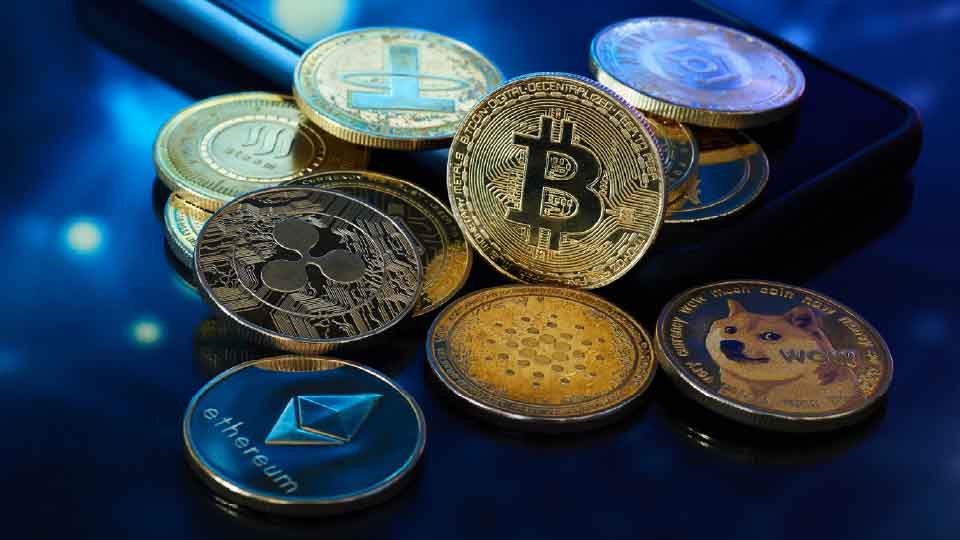
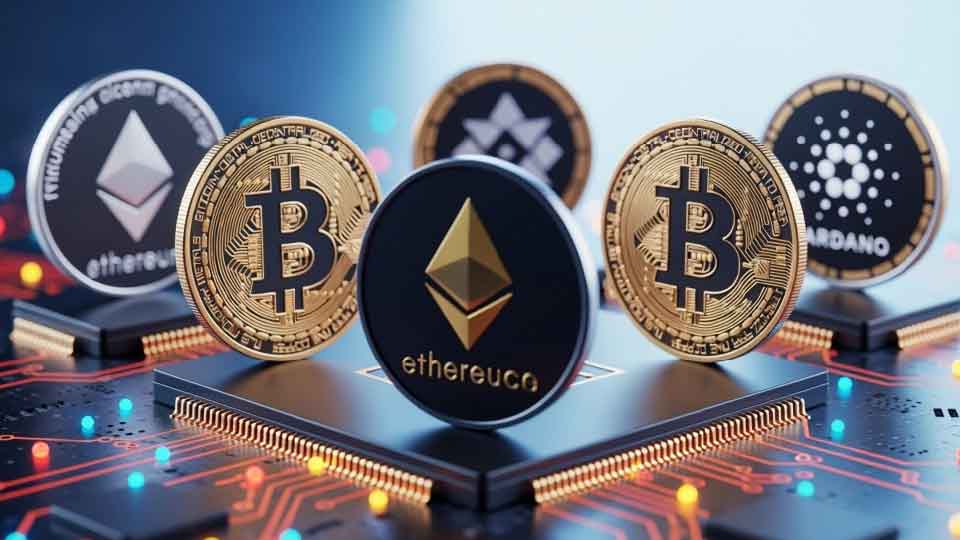
Many people think “crypto” just means Bitcoin, but there are thousands of cryptocurrencies, each built for a different purpose. The main types of cryptocurrency are coins, tokens, stablecoins and altcoins. Each serves a different role, from storing value to powering apps.
| Type | What it is | Examples |
| Coins | Run on their own blockchain | Bitcoin, Litecoin |
| Tokens | Built on an existing blockchain | Tokens on Ethereum or Solana |
| Stablecoins | Designed to track an asset such as the US dollar | USDC, USDT |
| Altcoins | Any cryptocurrency other than Bitcoin | Ethereum, Solana, Cardano |
| Meme coins | Driven mainly by community and online culture | Dogecoin |
Coins vs Tokens: What’s the Difference?
Cryptocurrencies can be divided into two main groups:
Coins vs Tokens

Coins such as Bitcoin or Litecoin have their own blockchains. Their main job is to let people send, receive, or store value just like digital cash.
Tokens, on the other hand, do not run on their own blockchains. Instead, they are built on top of existing ones, usually Ethereum. Tokens can act like tickets or vouchers, giving access to a service, the ability to vote on project decisions, or even representing ownership of something.
Let’s take the smartphone as an example. The phone itself is like a coin. It works on its own and can make calls or send texts. The apps you install are like tokens; they depend on the phone to work, but each one has its own special purpose, whether it's for gaming, banking, or social media.
Popular Types of Cryptocurrencies
Let's begin with familiar names
Bitcoin (BTC)
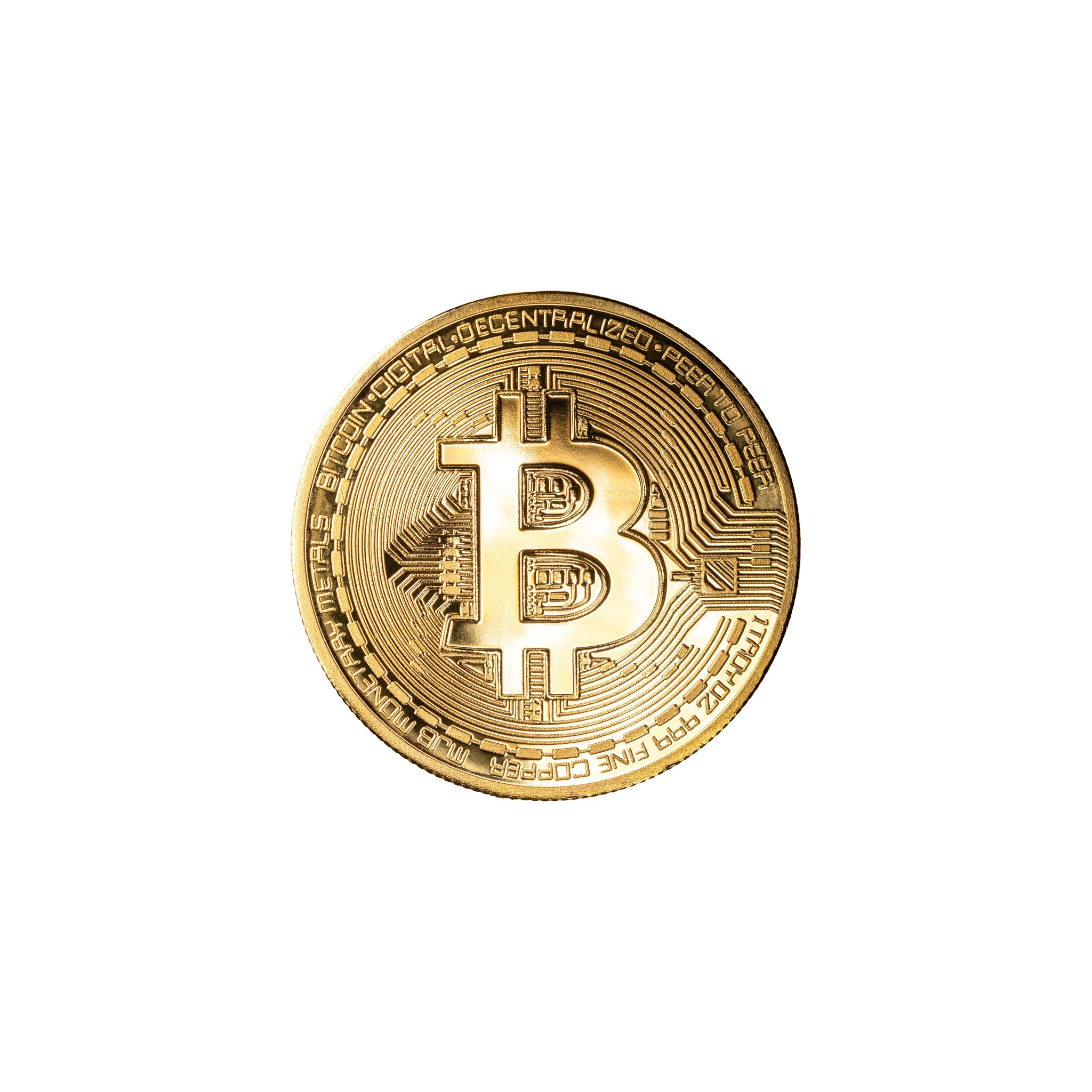
Often called digital gold, Bitcoin was created in 2009 and remains the crown jewel of cryptocurrencies, holding the most value by a wide margin. It’s primary function is to serve as a decentralized alternative to money that cannot be controlled by any single company or government. People often use Bitcoin as a store of value or as a way to send money across borders without relying on banks.

Ethereum (ETH):
Ethereum takes things a step further. Instead of being just money, it acts like a giant global computer. Developers can build apps directly on it’s blockchain, from games to financial tools. Ether, the currency of Ethereum, is used to pay for transactions and power these applications.
Often called digital gold, Bitcoin was created in 2009 and remains the crown jewel of cryptocurrencies, holding the most value by a wide margin. It’s primary function is to serve as a decentralized alternative to money that cannot be controlled by any single company or government. People often use Bitcoin as a store of value or as a way to send money across borders without relying on banks.

Stablecoins
Say you wanted to invest in crypto but were too worried about their prices being too volatile, Stablecoins are designed for you. They are digital currencies with their value tied to real world assets like the US Dollar. For example, 1 USDC (USD Coin) aims to always equal 1 Dollar. Stablecoins make it easier for people to move their money in and out of crypto without fear of big price swings.

Altcoins
Beyond Bitcoin and Ethereum lies a wide range of ‘Altcoins’, which simply mean ‘alternative coins’ with a standout being Cardano (ADA), a coin that is far more environmentally friendly than BTC or ETH. Also, another standout is Solana (SOL), a coin that can process transactions multiple times faster than BTC or ETH, making it very popular. Not many Altcoins succeed, but many improve upon a facet of crypto and push the technology forward.
Types of Crypto Tokens
Crypto tokens are digital assets built on blockchain networks, each designed to serve a different purpose. While some are used for payments, others provide access to services, represent ownership, or allow participation in blockchain projects. The four main types include utility tokens, security tokens, governance tokens, and payment tokens. Understanding their differences helps users recognize how digital assets function within the cryptocurrency market.
Why do so many Cryptos Exist?
It may seem unnecessary for thousands of different digital currencies to exist, but each one most likely has a reason for existing. Some try to improve Bitcoin's speed or security. Others aim to make crypto more useful for real-world applications, such as supply chain tracking or digital identity. Of course, some are created as memes or experiments, such as Dogecoin, which began as a joke but became extremely popular.
Today’s crypto space is a little similar to the early days of the internet. In the 1990s, hundreds of websites popped up, and while many disappeared, some grew into the giants we rely on today, such as Google in 1998 or Amazon in 1994. Similarly, not all crypto will succeed, but the constant experimentation is what drives innovation.
Types of Cryptocurrency FAQs
What Are the Main Types of Cryptocurrency?
Cryptocurrencies can be divided into several categories based on their purpose and functionality. These include payment cryptocurrencies like Bitcoin, smart contract cryptocurrencies like Ethereum, stablecoins designed to maintain a stable value, and utility or governance tokens that provide access to services or voting rights within blockchain projects.
What Is the Difference Between a Coin and a Token?
A coin is a cryptocurrency that operates on its own blockchain, such as Bitcoin (BTC) or Ether (ETH). A token, on the other hand, is created on an existing blockchain, such as Ethereum. Tokens can serve different purposes, including payments, accessing services, or representing digital assets.
What Is an Altcoin?
An altcoin refers to any cryptocurrency other than Bitcoin. Examples include Ethereum, Solana, and Cardano. Altcoins were developed to offer different features, such as faster transactions, lower fees, or support for decentralized applications. However, their prices can be highly volatile, and their risks vary depending on the project.
Are Stablecoins Safe?
Stablecoins are designed to maintain a stable value, often by being linked to assets such as the US dollar. However, they are not completely risk-free. Risks include losing their price stability, insufficient reserves, technical vulnerabilities, and regulatory uncertainty. Their safety depends on how they are backed, managed, and regulated.
How Many Cryptocurrencies Are There?
There are thousands of cryptocurrencies available worldwide, with new coins and tokens regularly entering the market. The exact number changes frequently as projects launch or become inactive. However, not all cryptocurrencies have significant trading activity, market value, or practical uses, making it important to research each project before investing.
Closing thoughts
Bitcoin may get most of the headlines, but it is only one part of the crypto world. From coins that run their own blockchains to tokens built on top of others, from stablecoins that aim to keep prices steady to altcoins experimenting with new ideas, the ecosystem is diverse and constantly evolving.
For beginners, the best approach is to learn the categories and then explore a few examples in each. Understanding why different cryptocurrencies exist will help you make sense of this fast-moving space and see how digital currencies are reshaping how we use money and technology.