



Artificial intelligence isn’t only the next big technology; it is the foundational infrastructure upon which the next technology cycle is being built, according to the world's largest tech firms. The positive sentiment has led Big Tech to increase capital expenditures (CapEx) to secure the computing capacity needed to accurately develop and deploy advanced AI models.
In 2025, moving into 2026, figures show that upward of $500 billion is being committed to building vast, power-hungry data centers, which will be used to develop faster and more efficient AI systems
The Big Spenders on AI
In their latest earnings calls announcing their end-of-year 2025 and early-year 2026 spending plans, these hyperscalers made historic spending announcements.
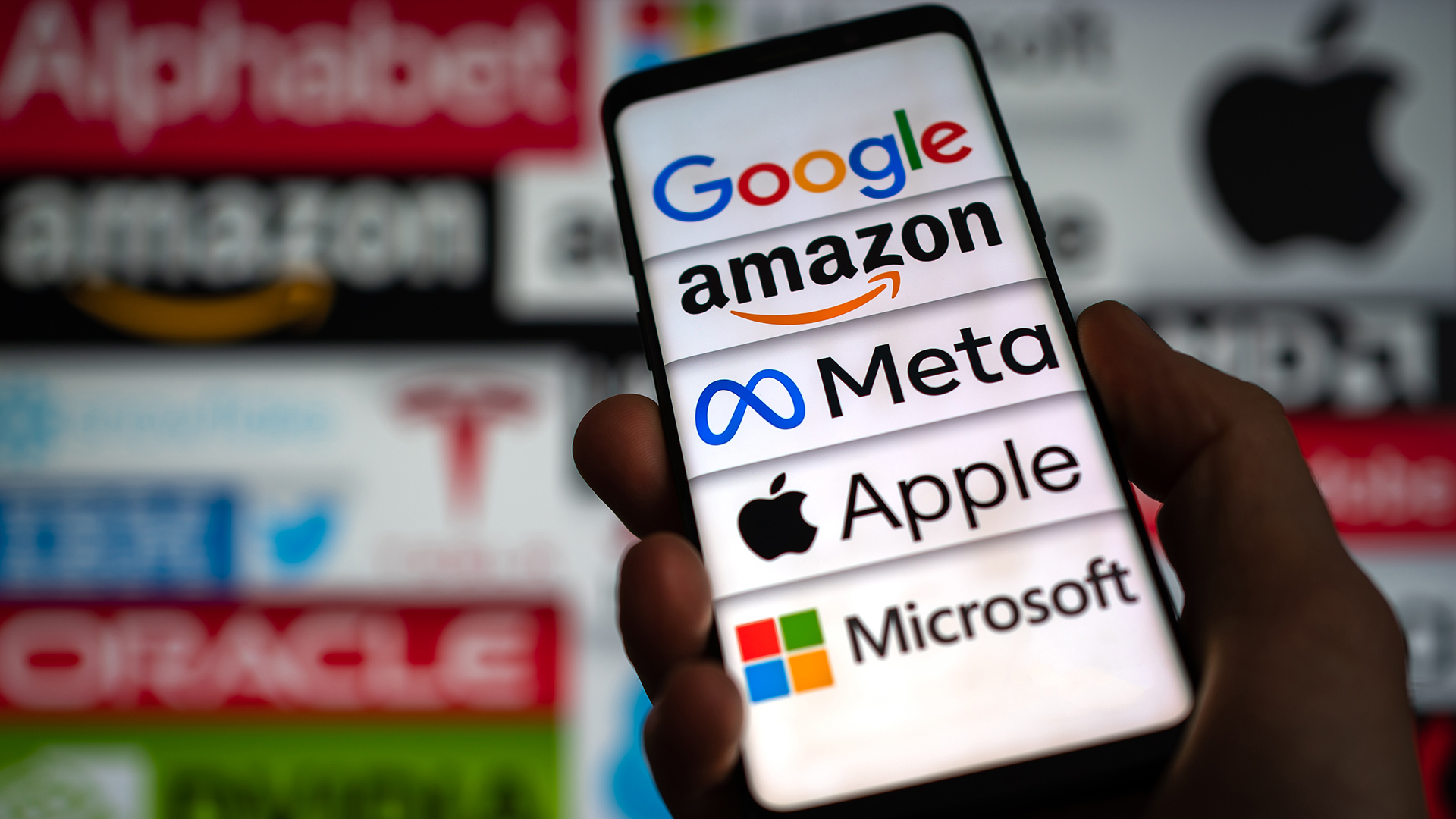
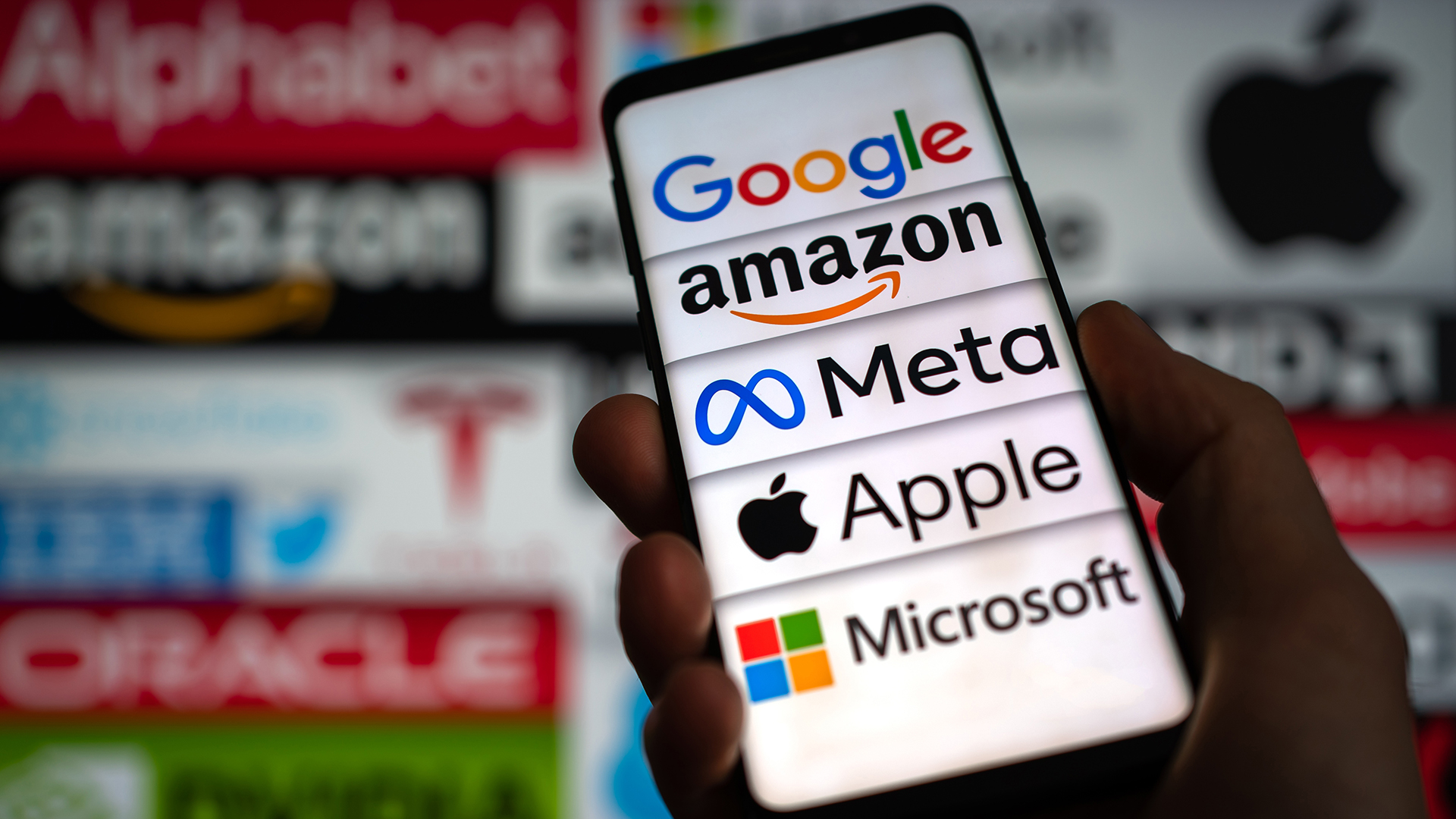
Alphabet (Google): Reported CapEx spend of over $13 billion for Q4 2025 alone, and the projected 2026 spend appears to exceed $50 billion to support Gemini.
Amazon (AWS): Disclosed that it spent $75 billion in 2025 CapEX on AI infrastructure, with plans to spend even more on cloud infrastructure in 2026 Additionally, Meta guided toward $38-40 billion for 2025 CapEx, while Microsoft spent a confirmed $14 billion in Q4, heavily focused on cloud and AI capacity, marking a benchmark for their 2026 CapEx.

Source: Statista Projected annual upper limit CapEx for 2026
Market Scrutiny
For many investors, the enormous investment in AI is becoming rather uncomfortable. Big tech companies are investing enormous amounts of money into new data centers along with advanced chips, but the money that is being made from AI today is relatively very little compared to that. Logic dictates that this situation must make many people nervous because it is still unclear how long it will take for this investment to pay off. The Market sentiment changed in early February 2026, when major tech sector stocks saw a massive sell-off in the aftermath of earnings announcements. Amazon fell by 11% as the company announced an unprecedented forecast for its $200 billion capital expenditure. Similarly, Microsoft fell by 11%, owing to massive spending in artificial intelligence, while Alphabet fell by 3%, owing to substantial spending commitments. Meta has found a silver lining
Meta has won favor with investors by delivering near-term gains through AI-driven advertising revenue growth and user engagement. In contrast, Apple has opted for a conservative approach rather than that of its competitors, causing market perception to view them as a stable refuge during periods of AI anxiety.
Explore Tech Stocks TradingCould Apple win the AI race?
While others pledge more capital to AI infrastructure plays, Apple is riding the wave of its existing ecosystem. Apple has a massive active installed base of over 2.3 billion devices as of early 2026. This is a major differentiating factor.
This steady increase enables Apple to adopt a capital-light strategy for artificial intelligence, which is:
Services Focus: Apple’s Services segment is still rapidly growing, with high margins, helped by the scale of its loyal and global user base, which massively benefits the tech giant from a continuous revenue stream that can absorb AI-related investment costs without the financial strain faced by other tech companies.
AI Integration: Rather than constructing the underlying cloud infrastructure for AI solutions, the integration of AI features, such as Apple Intelligence, within existing hardware and software is the strategy being followed, thus increasing the value derived from the existing hardware without incurring significant balance sheet risk in constructing cloud infrastructure like the hyperscale companies’ data centres.
Conclusion
The lesson to take from any market frenzy is to provide the tools, marketplace, or essential platform that the crowd depends on to compete, thereby winning without the need to spend heavily.