





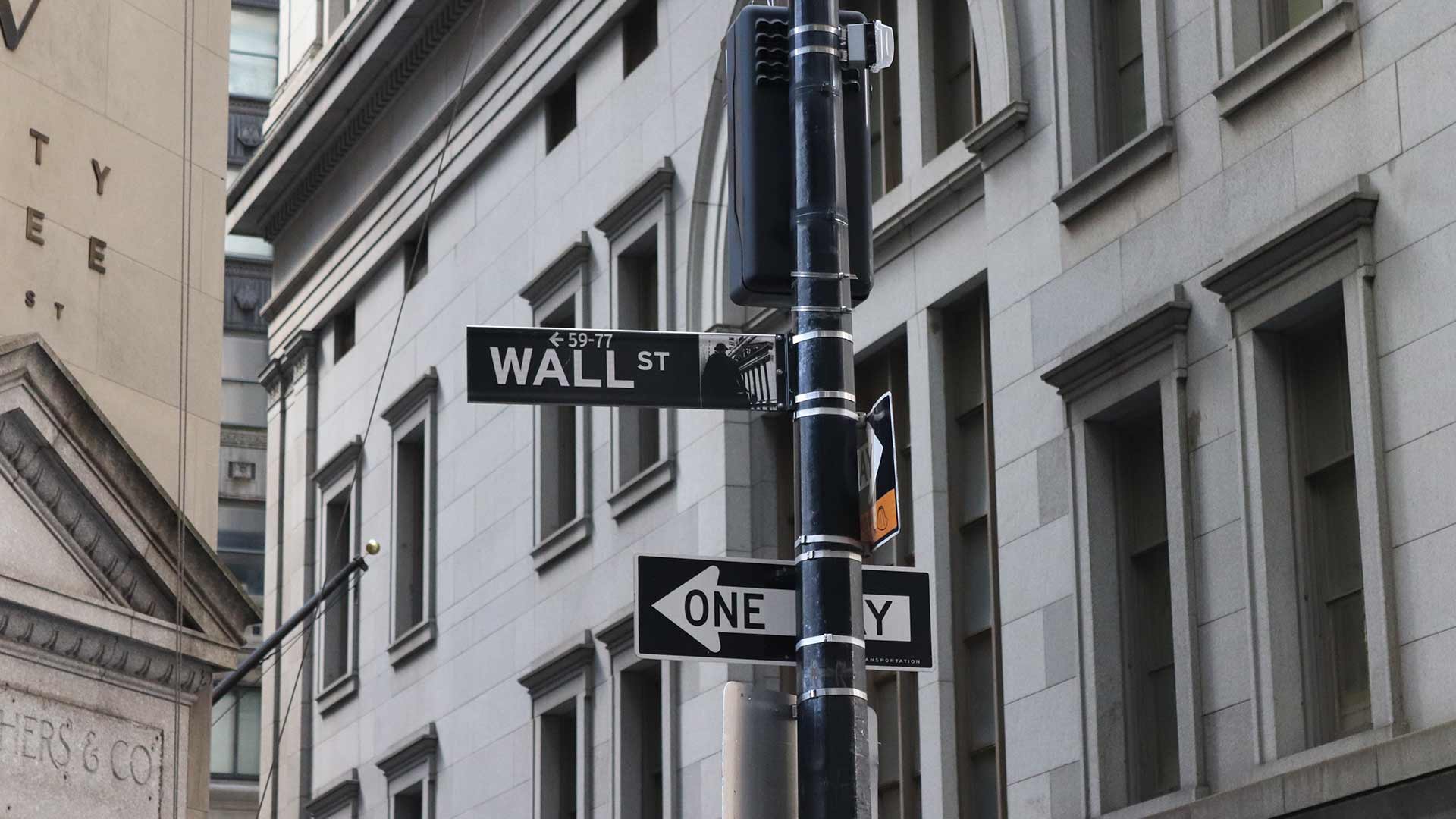
Yes. U.S. stock exchanges trade as usual on Columbus Day, which falls on Monday, October 12 in 2026 and is also observed as Indigenous Peoples’ Day in many states and cities.
The bond market, the Federal Reserve’s payment systems, and most banks are closed, so the day runs on a split schedule. Stocks trade normally, but much of the supporting financial plumbing is offline.
Columbus Day Stock Market Hours and Trading Schedule
The New York Stock Exchange (NYSE), NYSE American, NYSE Arca, and the Nasdaq Stock Market all hold full sessions on Columbus Day. Regular trading runs from 9:30 a.m. to 4:00 p.m. Eastern Time, with the usual pre-market and after-hours sessions around it. Columbus Day is not among the ten holidays on which the major equity exchanges close.
Other markets also stay active. CME Group keeps equity index futures (such as S&P 500 and Nasdaq-100 contracts) and Treasury futures trading on its Globex platform, though Treasury futures run on modified hours.
The mismatch comes from who sets the calendar. Stock exchanges follow their own rules and SEC oversight, while the bond market follows industry recommendations and the federal bank holiday schedule.
Is the Bond Market Open on Columbus Day?
No. The U.S. cash bond market is closed. The Securities Industry and Financial Markets Association (SIFMA) recommends a full close for U.S. Treasuries, agency mortgage-backed securities, municipal bonds, corporate debt (investment grade and high yield), commercial paper, and bank funding instruments. SIFMA’s guidance is a recommendation, not a legal requirement, but market participants follow it as a matter of course.
The Federal Reserve Banks are also closed, which shuts down Fedwire and the FedACH system. Commercial bank branches are closed too, although online banking remains available.
This matters for stock traders because equities normally take cues from Treasury yields. With cash bonds shut, there are no live yield-curve updates, so traders and algorithms work without a key pricing signal. Treasury futures still trade, but without the cash market to anchor them, their usual link to cash bonds can loosen for the day.
How Columbus Day Affects Stock Volume and Market Liquidity
Even with exchanges open, conditions are typically thinner than on an ordinary Monday. Several factors contribute:
- No cash bond pricing: Without live Treasury yields, market makers and quantitative strategies face more uncertainty when valuing stocks.
- Frozen cash movement: With Fedwire offline, collateral and interbank transfers are delayed.
- Absent fixed-income dealers: Primary dealers pause bond market-making, which can pull back institutional capital and widen bid-ask spreads in related securities.
- Futures-cash disconnect: Treasury futures trade without the arbitrage that normally keeps them aligned with cash bonds.
Bond ETFs show the effect most clearly. They trade on stock exchanges all day while the bonds they hold are untradeable. Authorized participants, who create and redeem ETF shares, cannot assemble or sell the underlying bond baskets, so these funds can trade at wider premiums or discounts to their net asset value than usual.
What Investors and Traders Should Expect During Holiday Trading Sessions
Settlement shifts. Columbus Day is a non-settlement day because the Federal Reserve is closed. Under the T+1 settlement cycle, trades made on the Friday before the holiday settle on Tuesday, and trades made on Columbus Day also settle on Tuesday. That produces a “double settlement day” with an unusually heavy clearing load. Trades made Tuesday settle Wednesday as normal.
Margin deadlines. Under Regulation T and FINRA Rule 4210, the holiday doesn’t count as a business day when calculating margin call deadlines or extension requests.
Slower funding. Brokerage accounts accept and execute stock orders, but ACH transfers and bank wires started over the weekend or on Monday stay pending until banks reopen. Brokers often place deposit holds, so new funds may not increase your buying power right away.
Key Points for Investors and Traders
- Liquidity and Price Movements: Liquidity levels and bid-ask spreads may vary during trading sessions that coincide with public holidays.
- Trade Settlement: The closure of banking systems may affect the settlement schedules of certain transactions, with processing resuming according to the usual schedule once the systems reopen.
- Bond and Futures Markets: Stocks and futures contracts continue to trade according to each market’s designated schedule, despite the closure of the cash bond market.
- Market Monitoring: Understanding the differences in trading hours and settlement schedules across markets helps provide a clearer picture of trading conditions during public holidays.
-1792144083.webp)


-1792060510.webp)

-1791900669.webp)