



· A Supreme Court ruling overturned major U.S. tariffs overnight.
· A new 15% global tariff was introduced within hours.
· Markets, currencies, and Bitcoin reacted instantly
Tariffs weren’t expected to take center stage in 2026, yet a single Supreme Court decision has reshaped global markets almost overnight. On February 20, the court ruled that many of former President Donald Trump’s tariffs were illegal because they relied on emergency powers (normally reserved for true national emergencies such as war or unexpected crises) that didn’t apply. Suddenly, major import taxes on goods from China, Europe, and other countries were no longer valid.
But instead of bringing clarity, the ruling created more confusion. Within hours, the administration announced a new global tariff, starting at 10% and jumping to 15% the next day. In less than 24 hours, the U.S. went from removing tariffs to adding new ones, leaving countries and companies unsure of the rules.
The world reacted immediately. China gained leverage ahead of its April meeting with Xi Jinping, the European Union demanded clearer commitments, and markets swung sharply. The U.S. dollar weakened, gold climbed, and Bitcoin fell below $65,000 as investors tried to assess what comes next.
This fast chain of events, a legal shock, new tariffs, and global market reactions, is now shaping the economic outlook for 2026.
What These Tariff Changes Mean
Tariffs are taxes placed on imported goods. When these taxes change suddenly:
- Businesses cannot predict their costs
- Countries cannot plan their trade agreements
- Investors do not know which industries will be affected
Even though the court canceled old tariffs, the new 15% global tariff created fresh confusion. For example, a company importing electronics or car parts no longer knows whether its shipment will cost 0% more or 15% more. That single change affects pricing, inventory, and profit margins. This uncertainty is why the tariff story became such a big driver of market behavior in February 2026, as per analyst analysis.
Global Reactions to Tariffs in 2026: China & Europe
China
China immediately said the original tariffs hurt both countries and welcomed the legal decision. But the sudden creation of a new 15% tariff forced Beijing to reassess its plans. This shift gives China more leverage ahead of the April summit with Xi Jinping, because:
· The U.S. tariff strategy looks inconsistent
· China no longer faces the same level of pressure from the old tariffs
· The U.S. needs to rebuild its trade stance, which gives China the chance to push for better terms
· Countries often gain leverage when the other side appears unsure or divided in policy
European Union
The EU is reacting strongly because sudden tariff changes make it very hard for European companies to plan their business. When the U.S. removes tariffs one moment and adds new ones the next, European exporters don’t know what prices they will face, what rules will apply, or how reliable future trade agreements will be. The EU also worries that this unpredictability could hurt its industries, especially sectors like cars, machinery, and luxury goods that rely heavily on access to the U.S. market.
Market Reactions to Tariffs: Currencies, Stocks, Gold
Currencies
Uncertainty pushed the U.S. dollar lower, as investors saw higher risk in the American economy.
Safe-haven currencies strengthened:
- the Japanese yen (JPY)
- the Swiss franc (CHF)
These currencies typically rise when global fear increases (Figure 1).
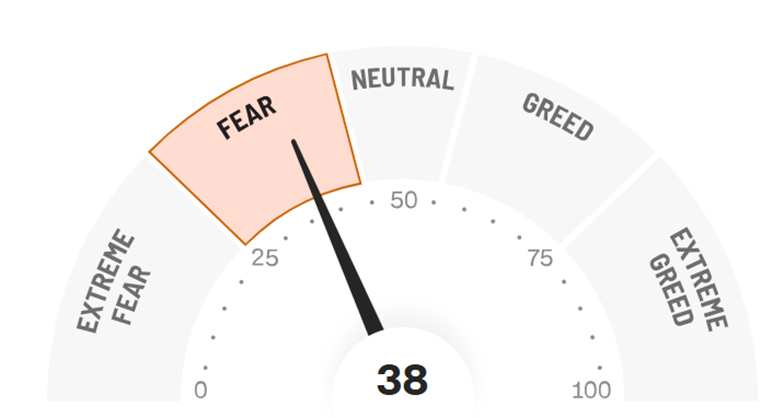 Figure 1: CNN Fear and Greed Chart, Last Updated Feb 23, 2026
 Stock Markets
Sectors most exposed to imports saw the strongest impact:
- Technology companies
- Automobile manufacturers
- Industrial producers
- Large retailers
Investors worry these companies could face higher costs or squeezed profits if new tariffs continue.
Gold and Commodities
Gold moved higher as money flowed into safe assets (Figure 2).
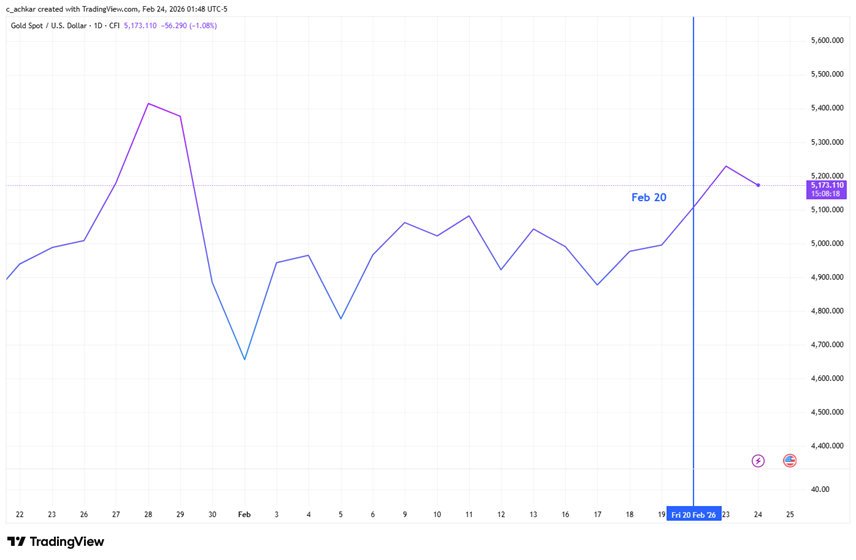 Figure 2: XAUUSD, Daily Timeframe, Source: Trading View
 Commodities tied to global demand, especially oil commodities, reacted to expectations of slower economic activity.
Bitcoin’s Reaction: Why Crypto Dropped
Bitcoin fell below $65,000 after the tariff ruling and the announcement of the new 15% tariff (Figure 3).
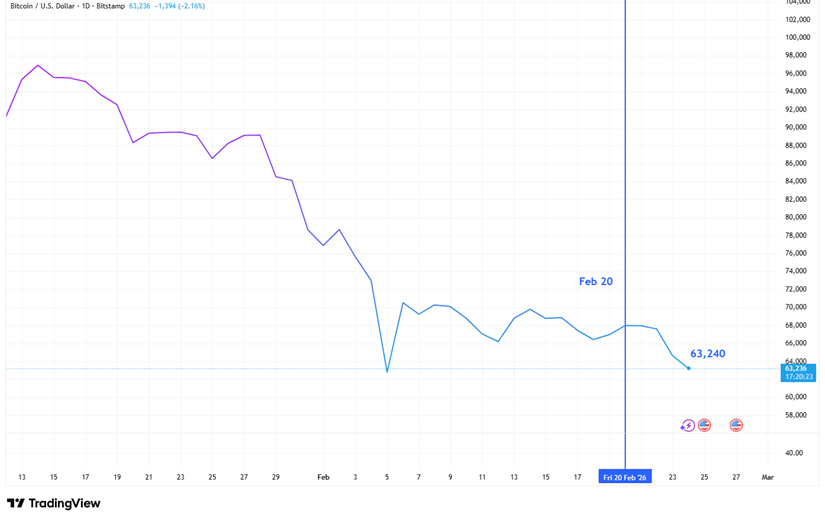 Figure 3: BTCUSD, Daily Timeframe, Source: Trading View
 This happened because:
- Investors move away from high-risk assets when uncertainty rises
- Crypto is considered high-risk
- Capital flows shift toward cash or gold during uncertainty
Bitcoin now behaves more like a macro-sensitive asset, reacting to global political and economic events, as per analyst analysis.
What Traders Should Watch for the Rest of 2026
Currencies
- USD volatility
- Safe-haven strength (JPY, CHF)
Stocks
- Companies relying heavily on imported components
- Tech, auto, and manufacturing sectors
Commodities
- Gold as a shield during uncertainty
- Oil reacting to expected demand changes
Crypto
- Bitcoin’s reaction to macro news is stronger than before
- Watch technical levels during major tariff announcements
Conclusion
The tariff events of 2026 show how fast trade policy can reshape the global economy. A single court ruling, followed by a rapid new tariff, created a wave of uncertainty that affected currencies, commodities, stocks, and even crypto. Tariffs are no longer just political tools. They are now major market catalysts influencing investor behavior and economic direction.


-1771242822.webp)