



This Friday, the Federal Reserve will be hosting its annual central bank governors’ conference at the Jackson Hole Symposium. This event is anticipated by many investors, looking for any signals from the Fed regarding its readiness to start cutting rates in reaction to the latest US economic data. The Symposium is set to take place across three days, starting Thursday, the 21st of August 2025, with policymakers, academics, and renowned economists from around the world present.
The Fed is also expected to comment on how it anticipates the current monetary policy’s effects on inflation, employment, and the economy overall. They will also discuss whether the current and expected future economic data will motivate the Fed to cut rates this year, and if so, how many times, by how much, and at which future meetings.
What to expect for this year from Jerome Powell Speech?
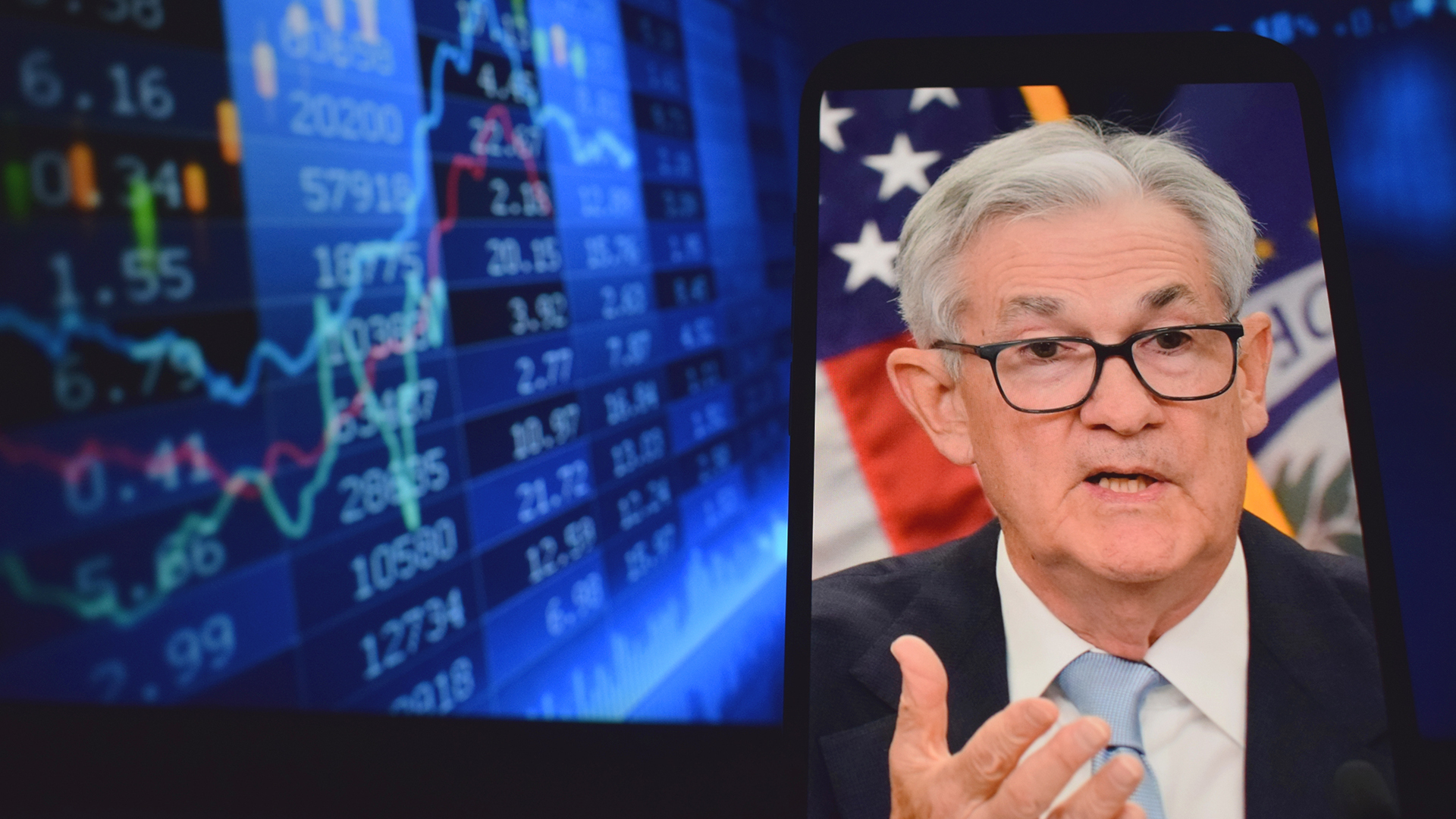
Chair Jerome Powell’s speech will be the event’s big focus, explaining the Fed’s current and future monetary policies, as well as addressing the reasons behind the central bank’s policies despite pressures from the current US administration to cut interest rates fast and by a margin.
Powell is expected to lead the conference with caution and not give anything away regarding any possible future cuts, especially given that the Fed is completely independent of the political sphere and its decisions primarily rely on economic data. Whichever turn Powell’s speech takes, investors will be looking for cues for any change in future monetary policy.
According to analysts, Powell is expected to leave the door open for all possibilities, given that much economic data will be released between the conference and the next Fed meeting this September. That includes personal consumption expenditures (PCE), labor market readings, and fresh inflation data. With producer prices recently hitting a three-year high and inflationary pressures persisting, the question remains: Will Powell hold tight to high interest rates to keep inflation in check? Or will a weakening job market force him to cut rates soon?
Markets are also anticipating possible comprehensive changes to the Fed’s dual mandate policy, which will continue long after Powell’s term ends next May, which are considered a part of his legacy to those who come after him.
Federal Reserve Shifts Away from Average Inflation Targeting Policy
The Fed is also expected to abandon their “average inflation targeting” policy, which dates back to pre-COVID times, when Fed policymakers were looking to lower inflation and fight stagnation. According to this policy, if inflation hovered around 2% in the previous years, the Fed should allow for leeway for inflation to exceed the 2% target on average for the years that follow.
However, with inflation soaring these past couple of years much above the 2% target, as well as a weakened consumer sentiment, the Fed has decided to focus on keeping inflation around its 2% target.
The Fed first coined their monetary policy structure back in 2012, with it being updated every five years. The current monetary policy was set in pre-pandemic 2020.
If Powell announces monetary policy changes this Friday, these amends will take years after he retires to be fully implemented. Especially since many policymakers view the Fed’s choice to allow inflation to rise above 2% for so long as having made it much harder to raise interest rates after 2022’s inflation crisis.
Analysts are also keeping an eye out for the possibility of the Fed changing its quarterly Summary of Economic Projections, including the famous “dot plot,” which reflects each FOMC member’s outlook for future interest rates.
How will markets react to Powell interest rate cut signals?
A hawkish or cautious tone used by the Fed this Friday—including hinting at limited, measured upcoming cuts—might positively affect the US dollar, which is still trying to break into the 100 level again. While clear hints of coming rate cuts at every upcoming meeting might cause the US dollar to fall, gold to rise, and US indices to spike.