



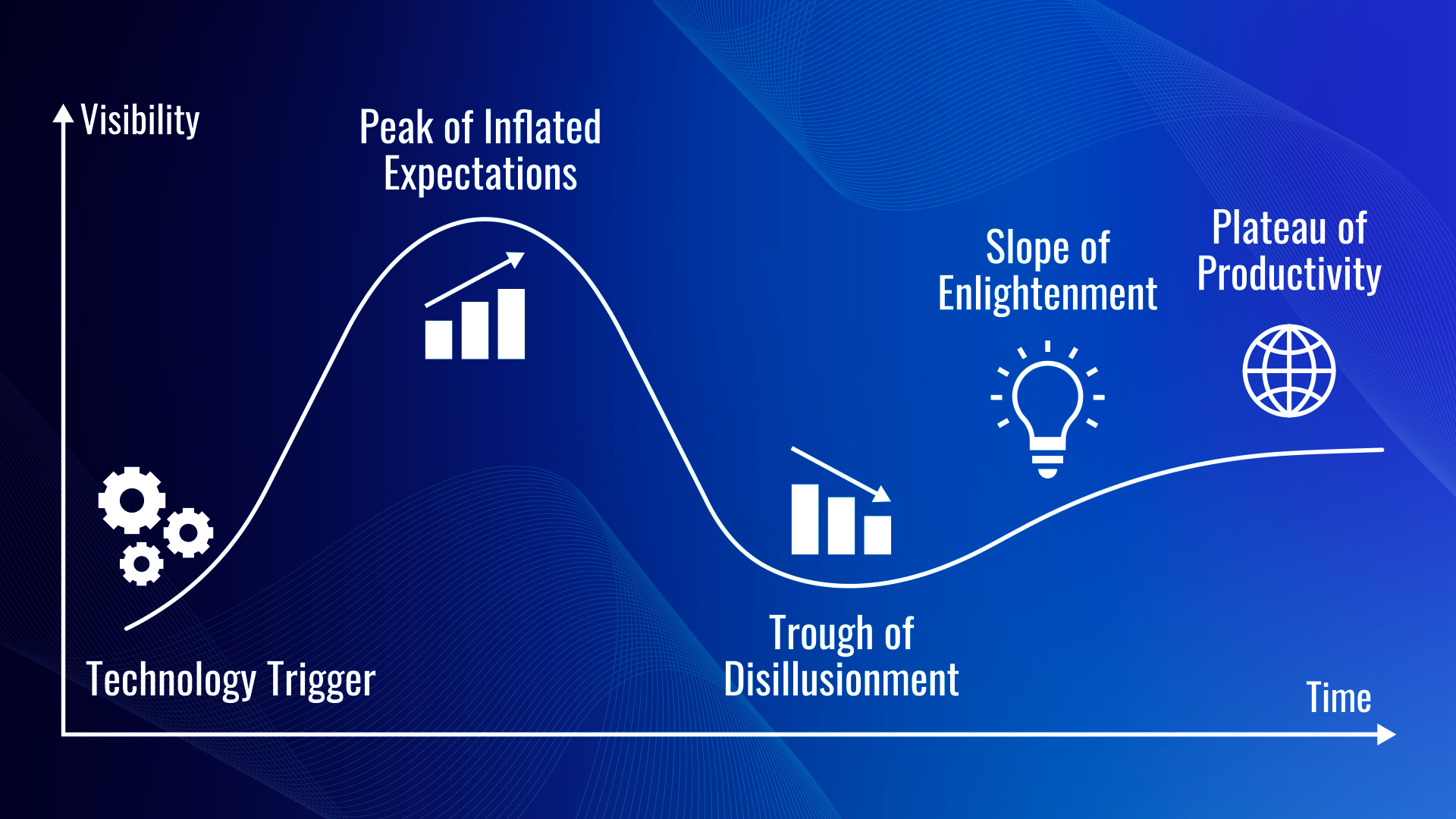
The economy is always moving in “cycles” with expansion, peaks, contraction, and periods of recovery in between. These cycles typically have four stages: boom, peak or over-heating of the economy; recession when it goes into reverse; and recovery as production expands once again.
Understanding the Four Phases of the Economic Cycle and How to Invest Accordingly
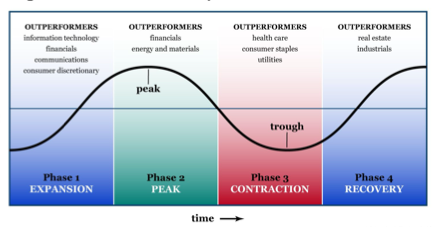
The economic cycle starts with expansion, where the economy experiences growth. During this phase, businesses thrive, consumer spending increases, and employment levels rise. As the economy continues to grow, the cycle moves toward its peak where economic activity reaches its highest point. At this stage, the economy is fully utilized, and inflationary pressures can start to rise and thus impact the stock market. Once the peak is reached, the economy enters the contraction phase, often referred to as a recession if it lasts long enough. During this time, the economy begins to shrink, leading to lower consumer demand, higher unemployment, and decreased production. Finally, the cycle ends with the recovery phase, where the economy begins to regain momentum, and growth starts again. Now, Investing according to the economic cycle requires adapting your investment strategy to each phase. Here’s a look at how to adjust an approach:
Expansion Phase:
During periods of economic growth, stocks, particularly in cyclical industries, tend to perform well. Consumers are spending more, and businesses are expanding, driving demand. Investors likely focus on growth stocks and industries that benefit from increased economic activity, such as consumer discretionary, technology, and industrials.
In Peak Phase:
At the moment when the economy peaks, growth slows, and there is danger that inflation will rise. At this stage, the market may become overheated and investments tend to fluctuate greatly in value. At this stage the portfolio should be revised, less risky investments considered.
Contraction Phase:
The contraction or recession phase is marked by a slowdown in economic activity, higher unemployment, and reduced consumer spending. This phase can lead to a decrease in stock prices and economic uncertainty.
Recovery phase:
As the economy starts to recover, growth resumes and businesses start investing and hiring again. This is the phase for stocks investments in the fastest-growing fields, such as stocks traded from emerging markets, technology sector and the industrial sectors.
Which Sectors Likely Perform Better in Each Phase of the Economic Cycle?
One effective way to adjust your portfolio during different phases of the economic cycle is by investing in for example sector-focused or exchange-traded funds (ETFs). This approach allows you to gain targeted exposure to specific sectors, helping you actively manage your investments throughout the phases of the economic cycle.
Expansion: The Sectors Driving Growth
During the expansion phase, as economic growth accelerates and the outlook for continued growth improves, some sectors tend to perform better. Like for example : IT, financial services, communication, and consumer discretionary sectors tends to outperform as they support to the overall growth of the economy.
Peak: Investing at the Height of Growth
When the economy is approaching a peak, demand outstrips supply and inflation usually accelerates. The Fed may begin raising interest rates. This is a stage when financial sectors typically perform the best, since banks make more money when interest rates go up. The energy and materials sectors also remain in good shape.
Contraction: Focusing on Defensive Sectors
When contraction sets in, we typically see a bear market in stocks followed by an economic recession. It’s a great time to go “defensive,” because historically those stocks do much better. Defensive sectors, for example, include health care, consumer staples and utilities. FYI you can read more articles regaring defensive stocks on our webiste provided by CFI Analysts.
Recovery: Positioning for Growth Again
Following a downturn, investors who spot early indicators of economic recovery might consider to shift their portfolios toward sectors that typically perform well as the economy rebounds. Real estate and industrials are among the sectors that often lead the charge in the early stages of recovery. As recovery gains momentum and transitions into a full expansion, investors return to sectors that benefit from robust economic growth.
Master Success
The primary goal through the entire economic cycle is to be ahead of the next phase, by establishing your position early enough to benefit if some sectors outperform during that phase. The strategy is to adjust your investments to the evolving phases of the cycle. Remember, the economy is dynamic, and the factors (based on stocks fundamental analysis) that drive it can be unpredictable. While following the economic cycle as a guide is useful, it’s important to stay aware of stock market changes and adjust your strategy accordingly.



-1791281116.webp)