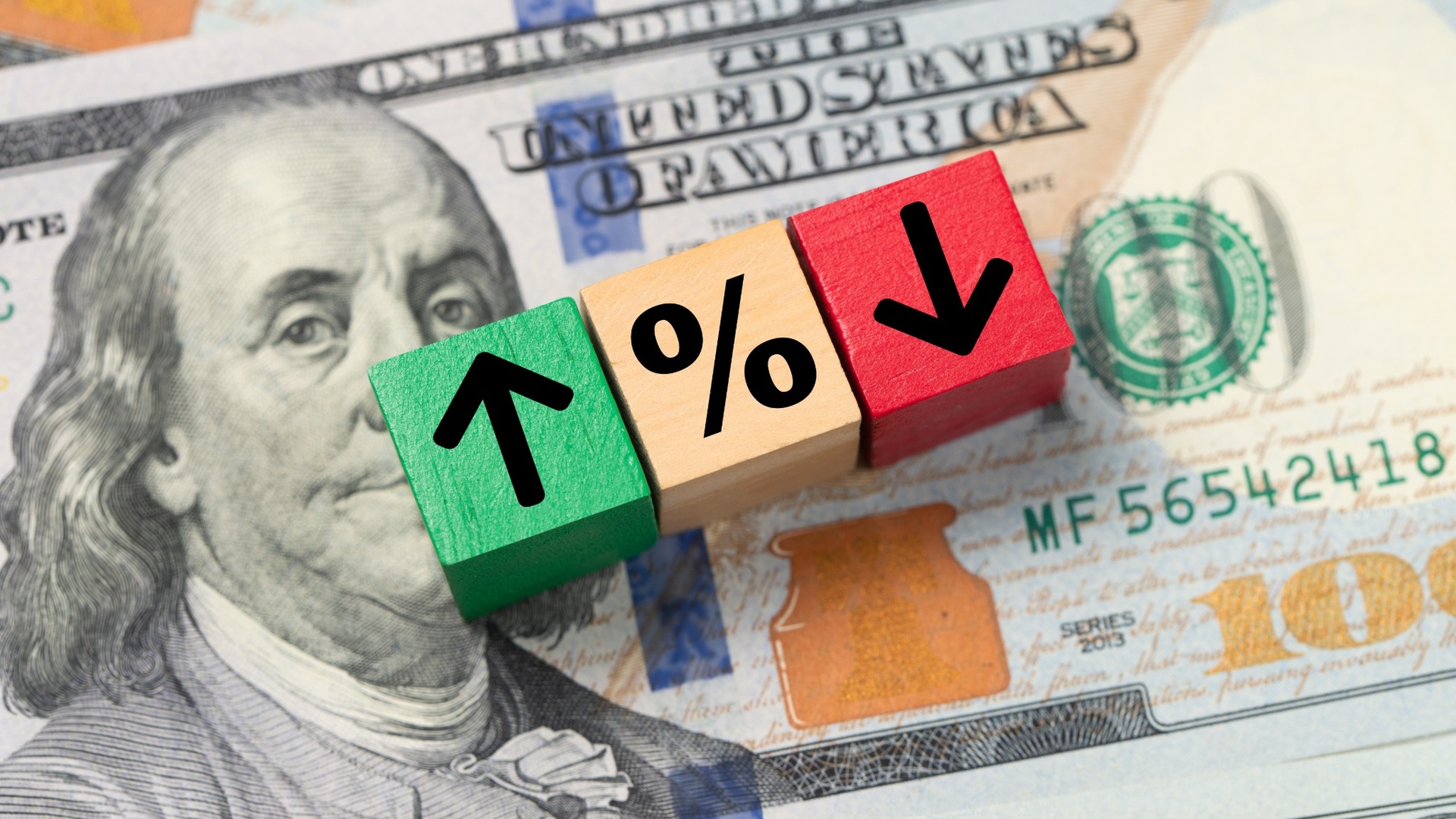





Will the Fed raise interest rates in September? That's the question dominating global markets as they head into a pivotal week, with U.S. monetary policymakers set to meet on the 15th and 16th to make a call that could shape the direction of the dollar, stocks, and bonds for weeks to come.
But the story doesn't stop in Washington. Simultaneous rate decisions are due in Japan and the UK, alongside critical economic data out of China, making this a week that's hard to follow with anything less than close attention.
Why Is Everyone Watching the Fed Meeting This Week?
The Fed's potential rate hike is the biggest story on the global stage, with markets debating whether policymakers will move forward despite growing risks in the bond market. Inflation still sits at 3.4%, well above the 2% target, while recent jobs data has come in stronger than expected, an uncomfortable combination that has pushed markets to price in a high probability of a quarter-point rate hike, according to LSEG data.
Still, the decision won't be an easy one. U.S. Treasury yields have climbed to levels not seen in decades, driven by oil prices surging past $100 a barrel over the past week. That means any additional tightening would collide with an already-stressed bond market, raising questions about the U.S. Treasury's ability to rein in yields even as it doubles down on long-term debt buybacks.
Against this backdrop, this week calls for close, day-by-day tracking of every economic release and official statement, not just a passing glance at the headlines.
How the World's Major Economies Are Positioned
1. The U.S. Economy
The Federal Reserve will announce its rate decision on Wednesday, with strong expectations of a quarter-point hike. Several Fed officials — Kevin Warsh chief among them — have stressed the need to bring inflation back to 2%, even if that means raising rates further.
Alongside the rate decision, several other data points deserve attention:
- August retail sales: a key gauge of consumer spending strength
- A $13 billion 20-year Treasury bond auction
- Weekly jobless claims
- Industrial production
2. Europe
The main event on the European side is the upcoming inflation reading, following last week's expected rate hike from the European Central Bank. ECB officials have signaled clear openness to using every tool available to bring inflation back to target, making this week's inflation data crucial for shaping expectations around the central bank's next moves — especially with markets pricing in another possible hike in October, followed by an extended pause through 2027 at elevated rate levels.
Key data to watch:
- Inflation readings from France, Spain, and Italy
- Eurozone industrial production
- Trade balance
- Average wage growth
3. Bank of England: A Likely, But Not Guaranteed, Hold
The Bank of England announces its rate decision on Thursday, with consensus pointing to a hold at 3.75%. But before the decision lands, that expectation will be tested by sensitive data, including:
- Employment figures
- Inflation data, currently running at 2.9% year-over-year, with expectations of a further rise driven by higher fuel prices
Current forecasts lean toward holding rates steady at this meeting, with markets pricing in three rate hikes by March 2027. That means any upside surprise in this week's data could immediately revive expectations of a surprise rate hike.
4. Key Asian Economies
A. Japan:
Traders are eagerly awaiting Friday, when the Bank of Japan is widely expected to raise rates by 25 basis points, backed by hawkish comments from officials and strong economic data. Morgan Stanley analysts expect the BoJ governor to flag the risk of core inflation exceeding 2% at his press conference.
Ahead of the decision, Japan will release a batch of important economic data:
- August inflation reading, expected at 1.8%
- Industrial production, expected to hold at a low rate
- Trade balance
- Long-term bond purchases, seen as a test of investor demand right before the BoJ meeting
B. China:
This week brings a fresh test of China's pattern of strong exports paired with weak consumption, as monthly economic activity data is released on Tuesday. It's a check on whether the trend that has defined China's economy this year, solid export strength against soft domestic demand, continues to hold.
Forecasts point to continued weakness in fixed-asset investment and sluggish retail sales growth, even as industrial output keeps growing on the back of sustained external demand.
The Bottom Line: A Week That Demands Close Attention
A near-certain Fed rate hike, a historic tightening move from Japan, sensitive data out of China and the UK, elevated bond yields, and jittery oil prices, together, these create a highly sensitive environment where any deviation from expectations could move markets sharply. Day-by-day tracking, not a weekly glance, is the smarter approach this time around.