



-1773051900.webp)
This week brings a number of unprecedented economic developments that could shift the balance of global markets, particularly with key economic data expected from the United States, including inflation and GDP figures. These releases could pave the way for a scenario that may favor safe-haven assets such as gold and silver, as well as the US dollar index, while potentially weighing on risk assets and financial markets. This follows the US labor market data released at the end of last week, which will be discussed further in the section on the US economy below.
Markets will also be watching Europe, Japan, and China as they attempt to maintain growth amid escalating global disruptions. From industrial production to trade and capital spending data, each release may carry signals that markets and investors will closely monitor.
The US: The crude crisis & stagflation
This coming week will be highly critical, just preceding the Fed’s second meeting of the year following the release of several shocking economic releases, all amidst fears for stagflation returning as geopolitical tensions in the Middle East escalate. On another note, the price of a crude oil barrel has reached highs unseen since 2022, following the Russian-Ukrainian war, the same crisis that started inflation on a hiking mission, unprecedented in 40 years.
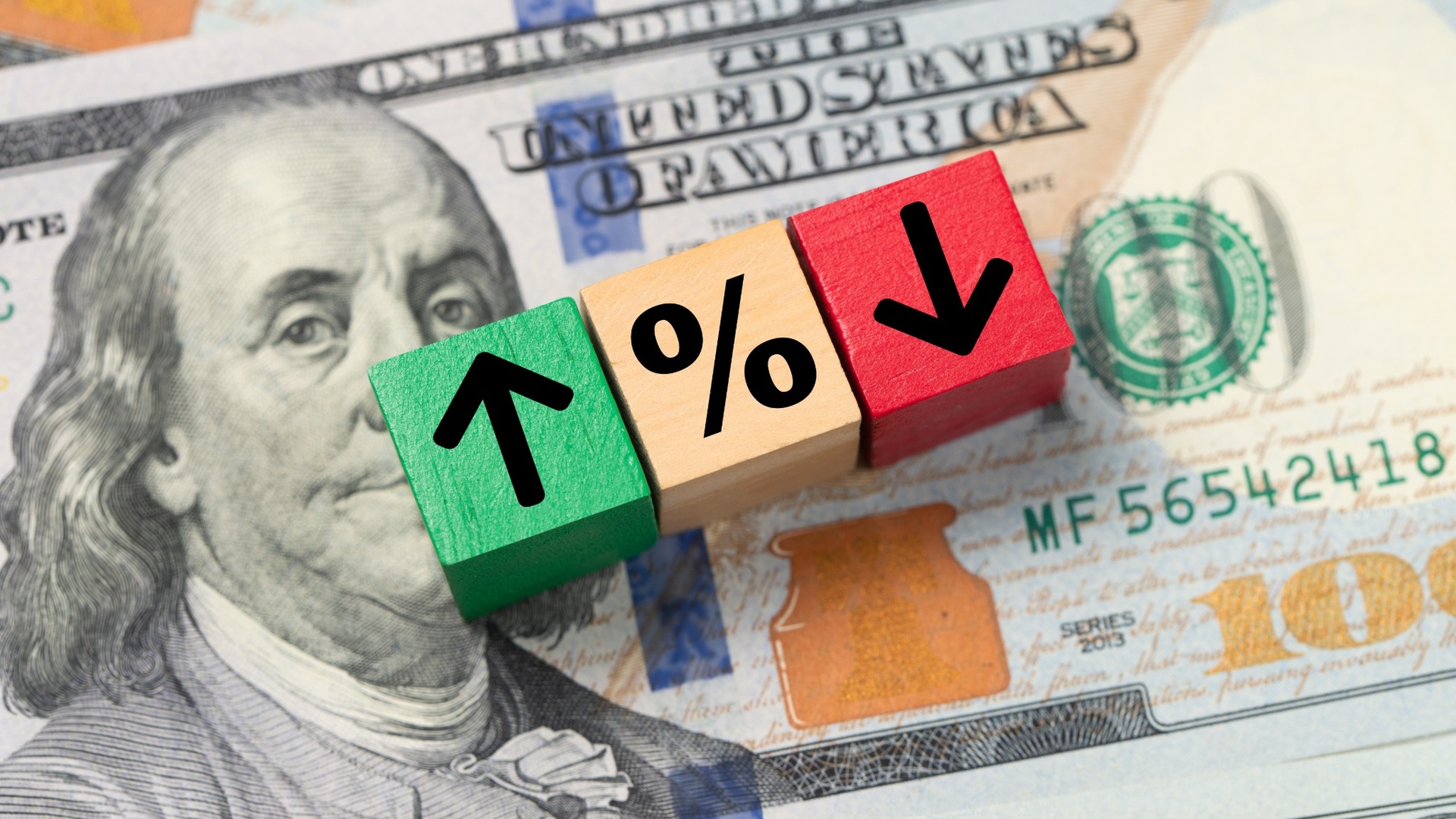
This Tuesday and Friday will have two of the most important inflation gauges released this week, with many eyeing the possibility of inflation rising again, especially after labor market data came out weaker than expected in February. All this ignites fears of a stagflation shock, making it more likely that the Fed will keep interest rates unchanged for a while, which might prove positive for the US dollar.
The story does not end here. The revised reading of fourth-quarter GDP will also be released, projected to have fallen significantly due to late last year’s US government closure.
Therefore, it would come as no surprise that inflation might go up again after surprisingly bad labor market numbers, declining US economic growth, and geopolitical escalations, creating a perfect scenario for what is called stagflation. An economic condition where the economy is living through a dual state of rising inflation mixed with unemployment and a weak labor market and a shrinking economy (particularly if GDP records two consecutive quarterly declines).
Europe: Inflation daunts the old continent yet again
This week, Europe will release important economic data related to manufacturing, as well as some inflation readings for some of the bigger economies such as Germany.
Analysts expect that the industrial production in the eurozone is set to recover after late last year’s slump.
Markets will closely watch the UK’s January GDP reading as interest rate cut projections decrease due to fears of inflation as energy prices rise amidst Middle East conflict.
Japan: Can the economy recover?
It is expected that the Japanese economy has grown more than estimated earlier in 2025’s Q4, in Tuesday's GDP report, supported by increased capital expenditure.
Japan will also release a bundle of key economic data this week, including current account data, bank lending figures, and household spending data.
China: The conclusion of the country’s key meetings
China’s economy will see the conclusion of the National People’s Congress, one of the country’s biggest political meetings, alongside the release of several key economic data readings.
The Chinese economy is still battling weak inflation, as the latest inflation numbers showed a slowing increase in prices for both producers and consumers.
China will also release trade data for January and February, with both imports and exports expected to grow simultaneously. However, analysts seem to believe this news to be significant due to the effects the global geopolitical tensions are having on China’s oil supply and international trade flows.
The economic calendar
| Date | Country | Economic Indicator | Previous Reading | Forecast |
| Tuesday – March 10, 2026 | United States | Existing Home Sales (Feb) | 3.91 million units | 3.9 million units |
| Tuesday – March 10, 2026 | China | Trade Balance | $114.1 billion | — |
| Wednesday – March 11, 2026 | United States | Consumer Price Index (CPI) | 2.4% | — |
| Thursday – March 12, 2026 | Sweden | Consumer Price Index (CPI) | 0.5% | 0.5% |
| Thursday – March 12, 2026 | United States | Goods Trade Balance | -$98.5 billion | — |
| Friday – March 13, 2026 | United Kingdom | Gross Domestic Product (GDP) | 0.1% | — |
| Friday – March 13, 2026 | United States | GDP (Q4 2025) | 4.3% | 1.4% |
| Friday – March 13, 2026 | United States | Core PCE Price Index (YoY) – January | 3% | — |


-Impact-on-Dollar,-Rates-&-Gold-1790852763.webp)