



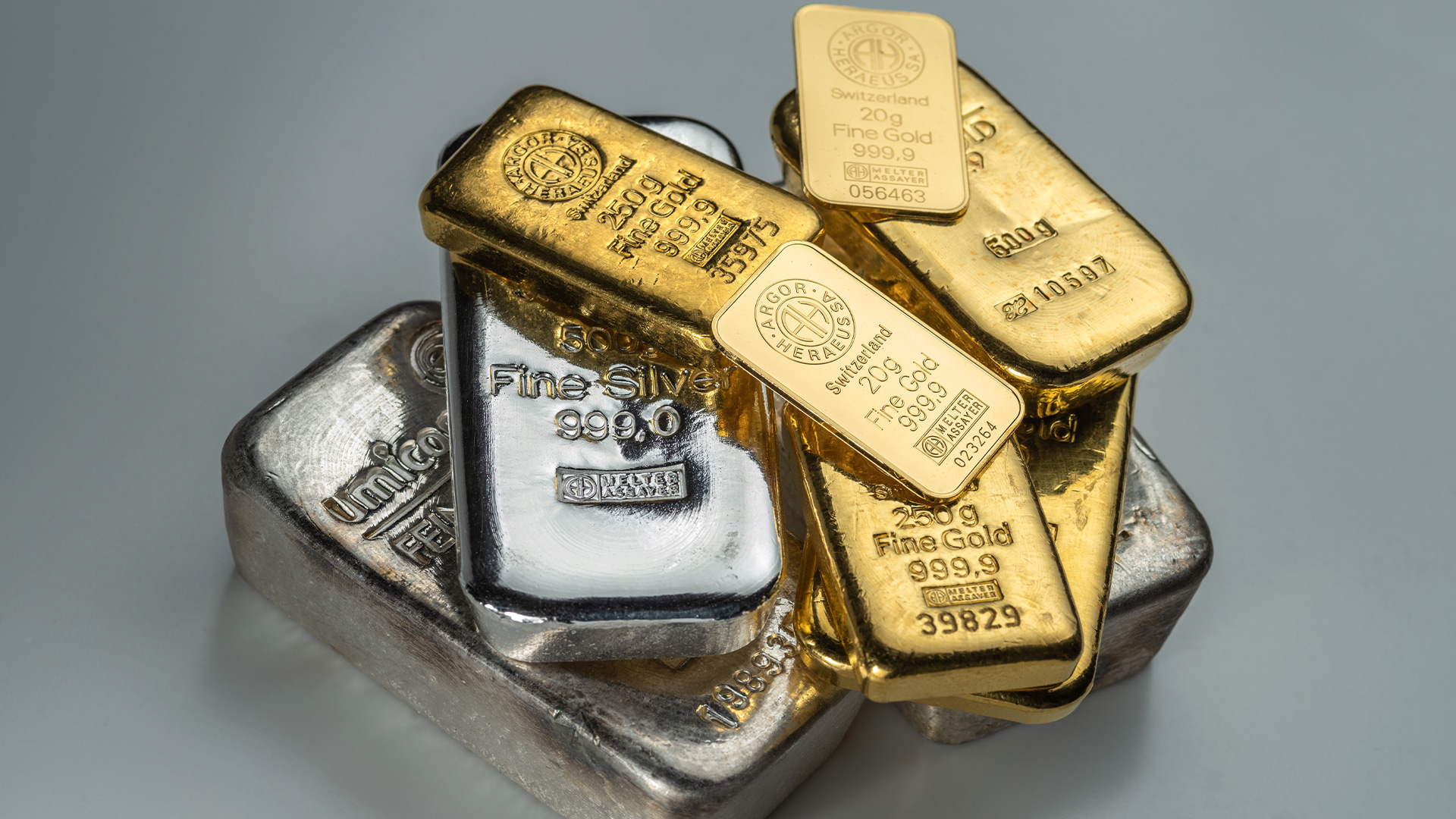
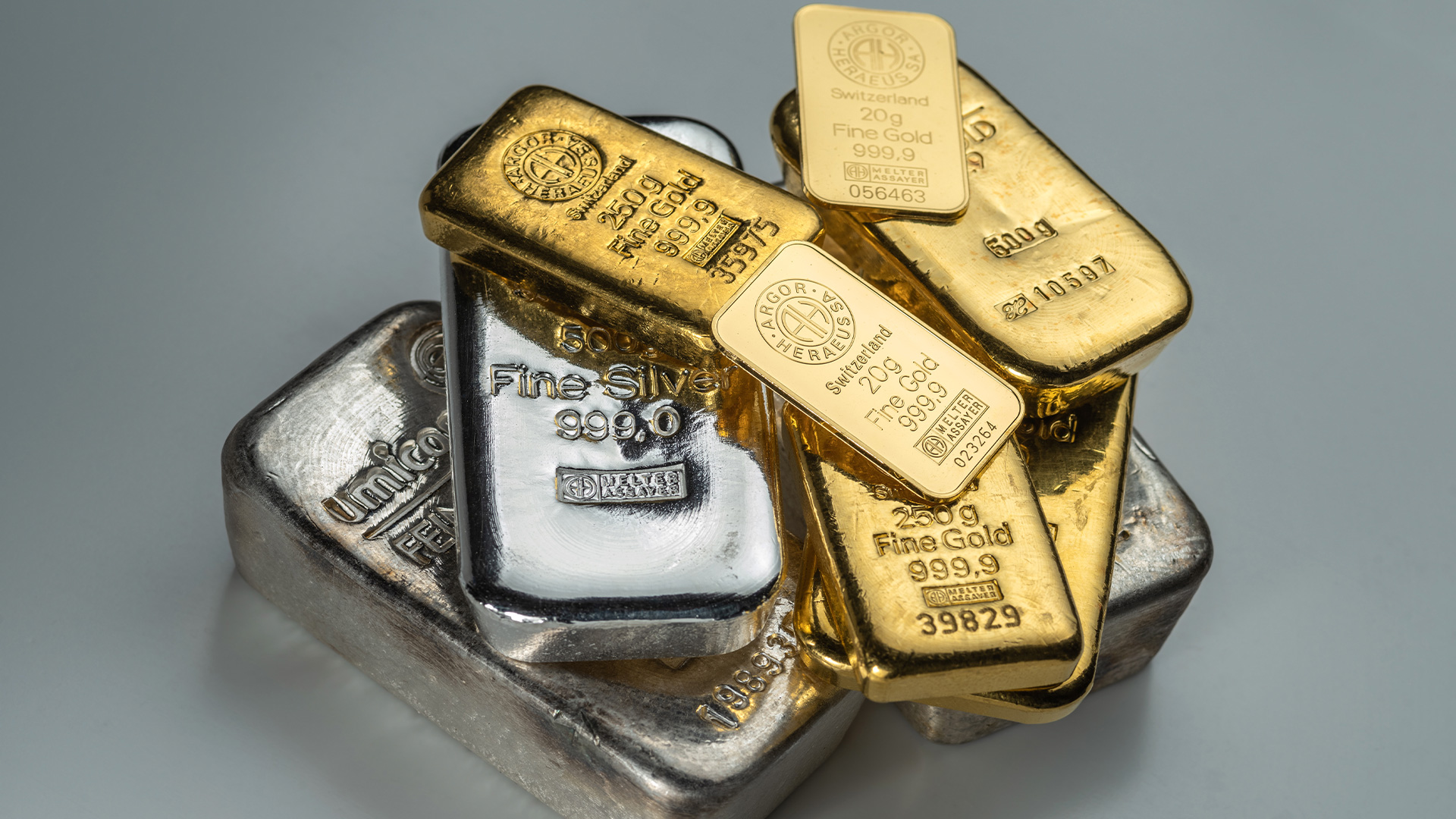
Gold and silver have started 2026 on a strong footing, with gold reaching a new all-time high, surpassing $4,600 per ounce—a rise of approximately 6% since the beginning of the year. Silver continued to outperform gold, climbing over 16% to exceed $84 per ounce.
What’s Driving Gold and Silver Prices Higher as 2026 Begins?
These gains were supported by a mix of factors that have reinforced the prevailing market uncertainty at the end of last year. The main drivers can be summarized as follows:
1. Geopolitical Factors:
The year began amid developments in Venezuela that fueled political concerns, alongside ongoing tensions between the U.S. and Iran, further complicating the global geopolitical landscape. Additional political unrest emerged in other regions, notably Japan, where early parliamentary elections may be called in February amidst domestic instability and concurrent tensions with China.
2. Macroeconomic Factors:
Global economic concerns also played a key role in supporting gold and silver prices. Major international institutions have agreed that global growth in 2026 is expected to be weaker than previously projected, with gradual and limited improvement anticipated in 2027. The World Bank and the OECD highlighted that the global economy is facing a delicate phase marked by slowing demand, tightening financial conditions, and ongoing geopolitical pressures. This environment negatively impacts high-risk investments while renewing focus on safe-haven assets. The IMF’s latest projections also indicate that global growth this year will remain below historical averages, with potential improvement next year, contingent on easing inflationary pressures and the initiation of a more visible monetary easing cycle—conditions historically favorable for gold and silver.
3. Stimulus Packages: Germany and China under scrutiny, Japan in doubt:
Markets are closely watching upcoming stimulus measures, particularly in Germany, where the largest European economy faces industrial and energy challenges. In China, signals remain mixed regarding the size and effectiveness of the stimulus, maintaining uncertainty and supporting precautionary demand for gold and silver. In Japan, the possibility of early elections presents a real test for stimulus policies amid weak consumption and currency pressures, adding another layer of uncertainty for Asian markets.
4. Earnings Season… A New Test for Gold:
Gold will also face additional tests related to financial market performance, as the earnings season for major corporations begins this week and extends until the end of February, culminating with earnings from the world’s largest company, Nvidia. Strong results from large corporations could temporarily boost risk appetite, exerting corrective pressure on gold. Conversely, any disappointment in earnings or future guidance could quickly redirect momentum back to safe-haven assets, primarily gold and silver.
Explore Gold & Silver Trading!Technical Analysis of Gold and Silver Prices at the start of 2026:
Gold, after its previous gains, is currently trading near $4,600, representing an extension of a resistance line connecting several prior peaks. Market participants are closely monitoring gold’s reaction to this level; a sustained break above it could signal further upside, especially as the RSI momentum indicator remains above 50.
 XAUUSD Price Movement - TradingView
Silver, having surpassed a prior resistance near $82.7, now targets the next resistance and previous high around $85.8. Observers will watch price reactions closely at this level to determine whether silver can set a new record high or face strong resistance limiting further gains.
 XAGUSD Price Movement - TradingView
-1791447418.webp)


-1790754997.webp)