



-1780912367.webp)
Mega IPOs and Their potential Impact on Investments
The following is psychological guidance and does not constitute pure investment advice:
When SpaceX and OpenAI enter the market, some stocks may decline — not because of any weakness on their part, but due to the mechanics of passive index funds.
Key Figures
• Under new Nasdaq rules effective May 1, 2026, SpaceX will have 15 days to be listed on the Nasdaq Technology Index following its IPO.
• Total U.S. passive investment fund assets: approximately $19 trillion
• Estimated SpaceX IPO valuation: $1.75 trillion
• SpaceX is expected to rank as the seventh-largest company in the world upon listing.
What Are Passive Index Funds?
Passive investment funds are instruments designed to replicate the performance of a specific market index — such as the Nasdaq or S&P 500 — rather than attempting to outperform it. There is no fund manager manually selecting stocks. Instead, the fund automatically purchases the stocks included in the index at their respective weightings, and sells any stock removed from the index.
What Is Actually Happening?
Nasdaq has announced an accelerated listing process that allows mega-cap companies to be included in the index within just 15 days of completing their IPO. This is not merely an administrative announcement — it triggers a chain of automated reactions that will directly affect investment portfolios.
Previously, Nasdaq inclusion took months, giving tracking funds ample time to adjust. Under the new Nasdaq rules, this is no longer the case.
The Impact Mechanism: Step by Step
1. A mega-cap company is rapidly added to the Nasdaq index.
2. Passive funds are obligated to purchase the newly listed shares.
3. Since passive funds have no new liquidity for the index addition, they are forced to sell existing assets to fund the purchase and incorporate the new company at its designated weight within each investor’s portfolio.
4. This forced selling creates temporary downward pressure on leading stocks as passive funds rebalance their portfolios.
Under this mechanism, passive funds — such as QQQ, VGT, and others — do not choose what to sell. They sell whatever the algorithm dictates in order to maintain index weightings. This process has no bearing on the quality of the stocks held by investors or the performance of those companies. The selling occurs solely to accommodate the addition of a new company to the tracked index.
Stocks Most Exposed to Selling Pressure
Companies with the largest weightings in the Nasdaq index will be most susceptible to algorithmic selling, including:
• Apple — the largest holding in technology fund portfolios
• Microsoft — among the highest-weighted stocks in Nasdaq
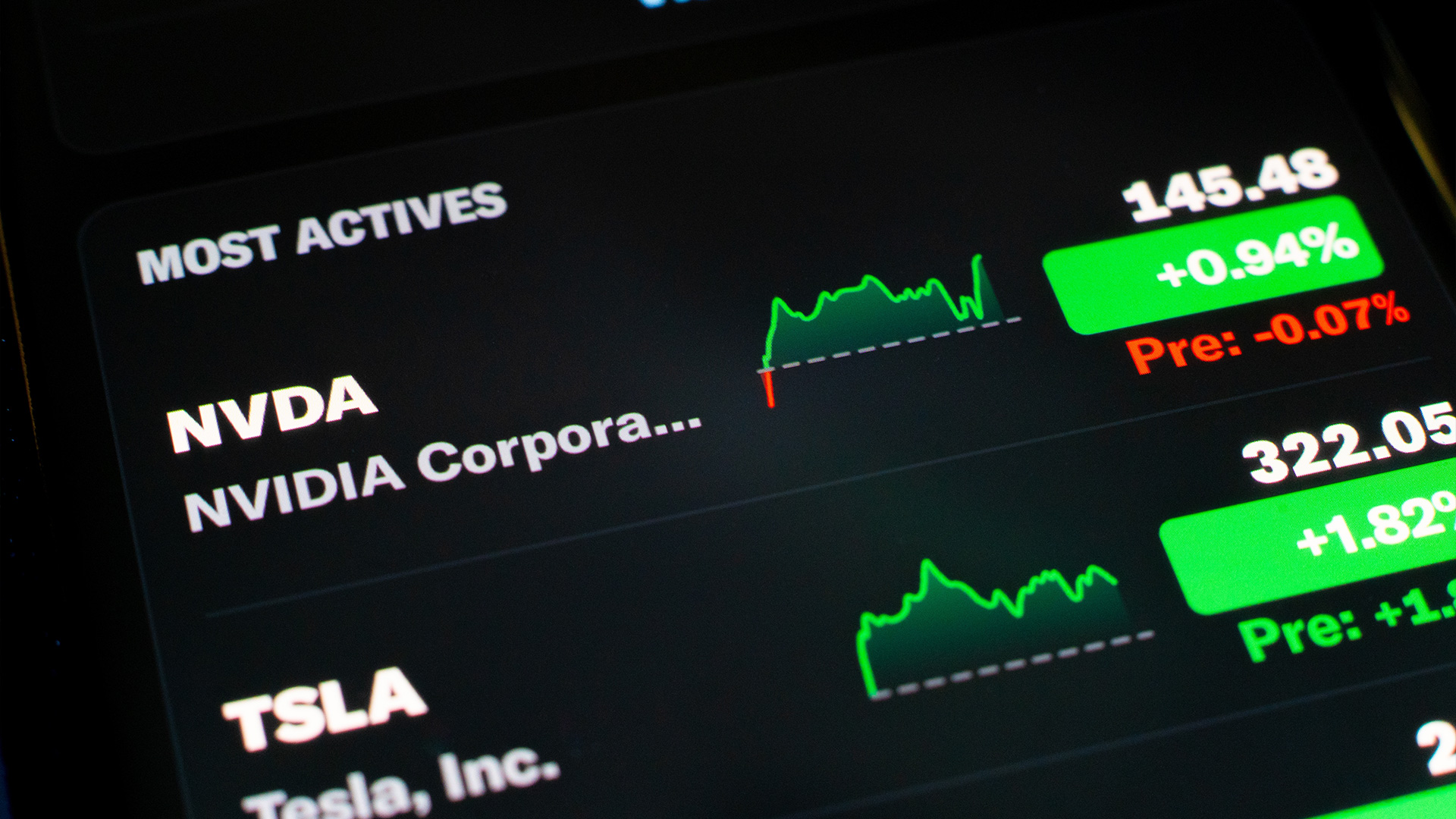
• Nvidia, Alphabet, Amazon, Meta — the highest-growth, most change-sensitive stocks
The Real Risk for the Individual Investor
When an individual investor watches a leading technology stock decline for no apparent reason, fear and panic may compel them to sell — triggering one of the most significant investment mistakes: selling at a low price out of fear of further declines.
The Scale of the Issue in Numbers
According to Morningstar 2025 — the independent U.S. investment research firm — the U.S. passive fund market stands as follows:
• Total passive fund assets: approximately $19 trillion
• Passive funds’ U.S. market share: 55%
• 2025 passive fund inflows: approximately $951 billion
• QQQ ETF total assets: approximately $300 billion
Should SpaceX be included in the index, this will trigger a redistribution of fund weightings in line with the new index composition — leading to the algorithmic sale of leading stocks worth tens of billions of dollars, albeit on a temporary basis.