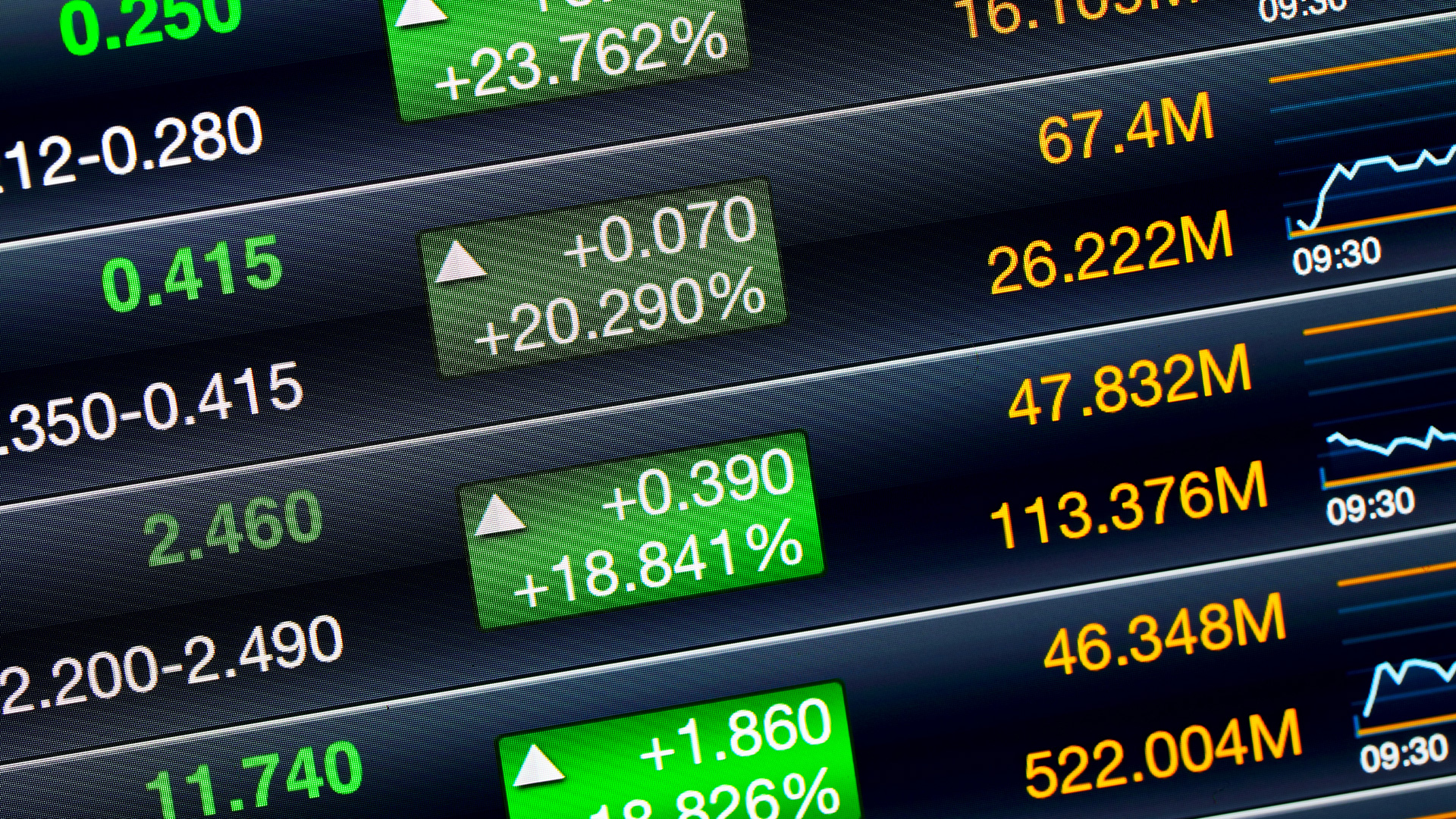





- Demo accounts are helpful for new traders, allowing them to practice and understand trading software while gaining an insight into market movements.
- However, simulated trading results rarely align with live trading outcomes.
- Real-money trading introduces new challenges, including execution speed, capital limitations, and emotional factors.
- To make demo accounts more realistic, traders should consider realistic account capital, and the emotional impact of profits and losses.

Source: Howtotrade
Demo account trading is a modern form of paper trading, offering a way for traders to practice without risking real capital, while traditional paper trading involved jotting down hypothetical trades to test strategies, demo accounts in Kuwait allow traders to execute simulated trades using computerized platforms. Although this virtual environment helps traders become familiar with the trading software, transitioning to live trading comes with several key differences.
How Demo Trading Differs from Live Trading?
Although many traders may show success in demo accounts, the reality of live trading often presents challenges that don't occur in simulated environments. Here's why:
1. Execution Differences
In a demo account, market orders are usually executed at the displayed price, but in live trading, prices can shift quickly due to slippage. This means traders may not always get the expected price for market orders, and large positions may experience partial fills at different prices. In contrast, demo accounts often provide idealized fills that may not reflect real-market conditions.
2. Demo Accounts Often Have Larger Capital
Demo accounts typically allow traders to choose their simulated capital, often higher than the trader's actual funds. This can give the illusion of greater safety, as it’s easier to recover from small losses in a larger demo account. However, the capital in a demo account often exceeds what a trader could realistically allocate in a live account.
3. Emotions Are Not Present in Demo Trading
In live trading, fear and greed are emotions that significantly influence decision-making. However, demo accounts do not replicate the psychological effects of using real money. The stakes in a demo account feel far lower, and as a result, traders may act more impulsively, whereas real money brings a different emotional dynamic to trading.

Making Demo Trading More Realistic
While demo trading offers a safe space for practice, it’s important to simulate real-world conditions as much as possible. Here are some ways to make the experience more aligned with actual trading:
1. Apply Realistic Assumptions
For example, if a bid or offer is placed near the market's low or high, assume it may not get filled. In reality, market conditions rarely allow trades to be executed exactly at the displayed price.
2. Account for Slippage
In live trading, slippage often occurs, especially in volatile or low-volume markets. Apply realistic slippage assumptions, to more accurately reflect how trades would execute in real time.
3. Use Modest Capital
If your live account capital is limited, adjust your demo account to simulate the same capital limits. This helps avoid the overconfidence that comes from trading with excessive demo capital.
4. Introduce Emotional Triggers
To simulate the emotional impact of trading, consider adding personal incentives or penalties for following your trading plan. This can help you to managing emotions such as fear or greed while trading with real money.
Are Demo Accounts Free?
Yes, demo trading accounts are typically available for free through most brokers, offering traders a risk-free environment to practice and experiment with different strategies.
Can Demo Accounts Be Used for Day Trading?
Absolutely! Demo accounts are a great tool for both new and experienced traders to practice day trading indicators and strategies, or any other trading style, before committing real capital.
Is Demo Trading Useful?
Yes, demo trading accounts are valuable for gaining an understanding of the market and becoming familiar with trading platforms. Pair your demo account with the CFI Forex Calculator for fruitful learning curve!

Source: Howtotrade
While demo accounts can help beginner traders in Kuwait familiarize themselves with trading software and market behavior, they often fail to provide a realistic experience. Traders should be aware of the differences between using demo/simulated trading and live trading, especially in terms of execution speed, capital limitations, and psychological factors. To make demo trading more reflective of live conditions, traders should limit their demo account capital, and introduce emotional triggers for a more accurate practice experience.



-1760529242.webp)