





Intro
When it comes to trading commodities, most people usually think of oil, gold, or natural gas, yet one of the most traded commodities sits quietly in their kitchen. Coffee has been on a bullish streak since 2023, rising from 16,740 to over 40,000, an increase of more than 140% . This steady uptrend highlights how everyday essentials can sometimes brew some of the most significant opportunities in the commodities market.

Fundamental Analysis of Coffee Price
Coffee’s rally was mainly driven by ongoing supply pressures in key producing countries like Brazil and Vietnam (Figure 1), which together accounted for most of the world’s coffee. Unfavorable weather conditions, such as drought and frost, repeatedly hit crops and reduced output. Moreover, rising fertilizer costs following the Russia-Ukraine war made production more expensive and limited planting, further triggering supply.
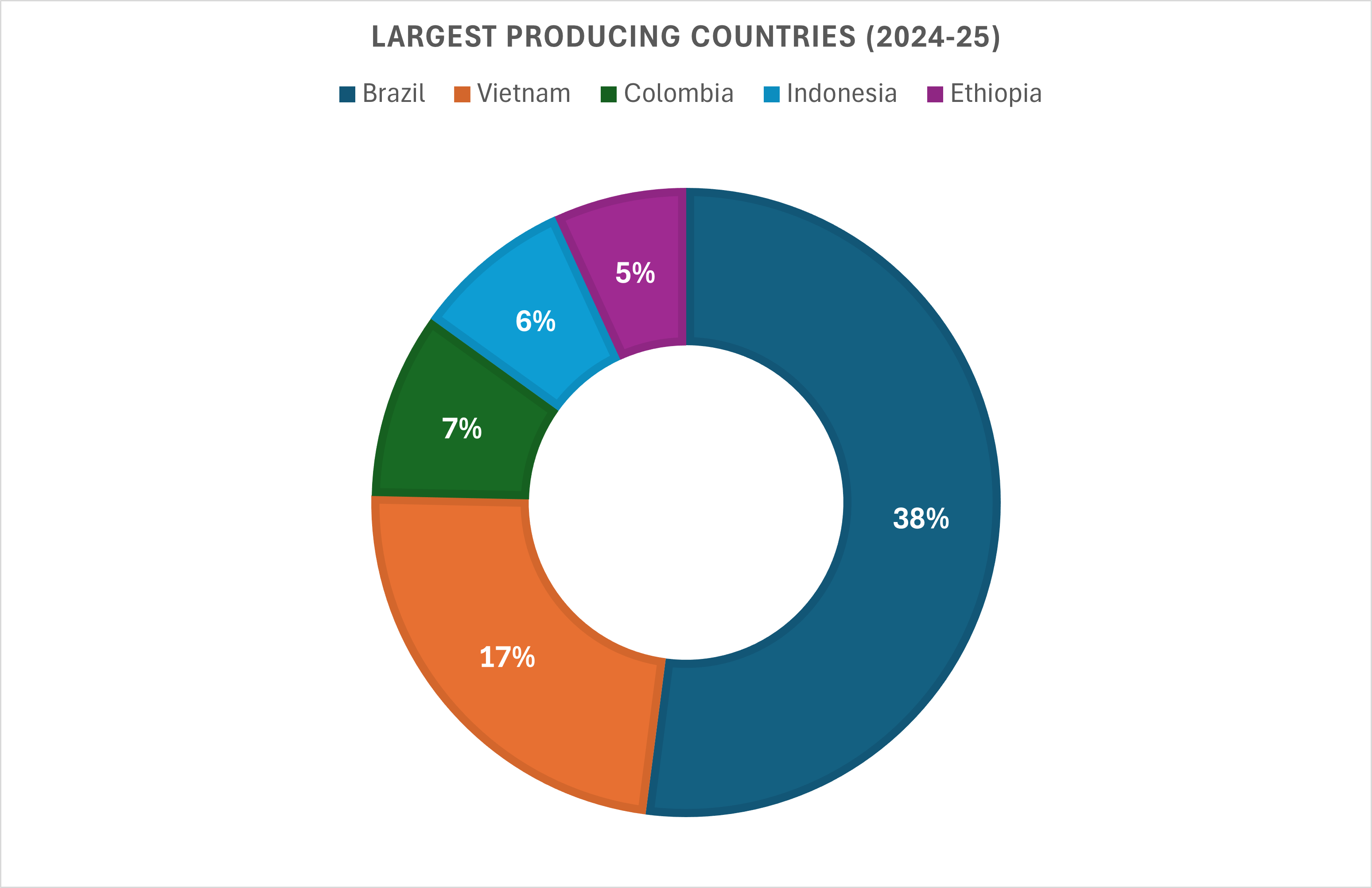 Figure 1: Largest Coffee Producing Countries (2024-25), Source: Dataverse E Inc.
 On the demand side, growing coffee culture and rising global incomes, especially in developed countries, have kept demand strong, supporting prices despite short-term fluctuations.
Technical Analysis of Coffee Market Price
From a chart perspective, on the weekly timeframe, coffee prices are demonstrating a strong uptrend that has been in place since 2023. According to analyst analysis, key technical levels to watch are the resistance zone around 41,000-42,000, where the price has repeatedly struggled to break above, and the support zone around 34,000-35,000, which has acted as a solid floor. The RSI remains around 60, indicating a healthy uptrend. If prices close above $42,000, it could confirm a bullish breakout, opening the door to the $45,000–$47,000 zone (Figure 2). However, failure to break higher could trigger another pullback toward $35,000, which would keep the longer-term uptrend intact as long as the trendline holds.
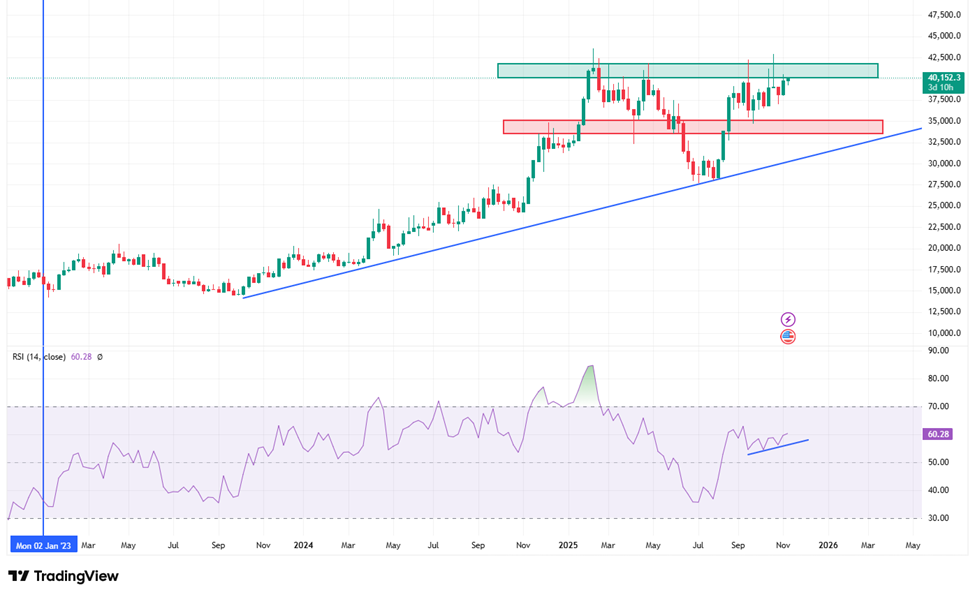
Figure 2: COFFEE, Weekly Timeframe, Source Trading view
Explore Trading Products Now!Conclusion
Coffee may not get the same spotlight as gold, natural gas, or oil, but its recent price behavior tells a compelling story.
Fundamentally, supply constraints from top producers such as Brazil and Vietnam, coupled with rising production costs and unpredictable weather, have kept prices well-supported.
Technically, the uptrend remains intact. Prices continue to form higher lows, supported by firm momentum and healthy demand. Yet, the repeated struggle around the $42,000 resistance zone reminds traders that momentum alone doesn’t guarantee a breakout.
With winter approaching, weather patterns could once again become the key catalyst. If unfavorable conditions hit crops, prices could strengthen further, but if output stabilizes, the market may cool off.