



When it comes to choosing a trading platform, usually two known names consistently rise to the top: TradingView and MetaTrader (MT). Both are amazing tools and platforms used by traders in Bahrain and around the world, but keep in mind, they are designed with slightly different priorities. To understand their strengths and limitations, lets help you decide which one aligns better with your trading goals.
TradingView is widely known for its user‑friendly interface and advanced charting capabilities. It has the ability to run entirely in your web browser, which means you don’t need to install the app itself to start analyzing markets, but if you prefer an app, tradingview provides it for mobiles and desktops. Its charting tools are highly advanced, and the ability to overlay multiple timeframes and customize indicators makes it particularly appealing for technical analysts and trend traders.
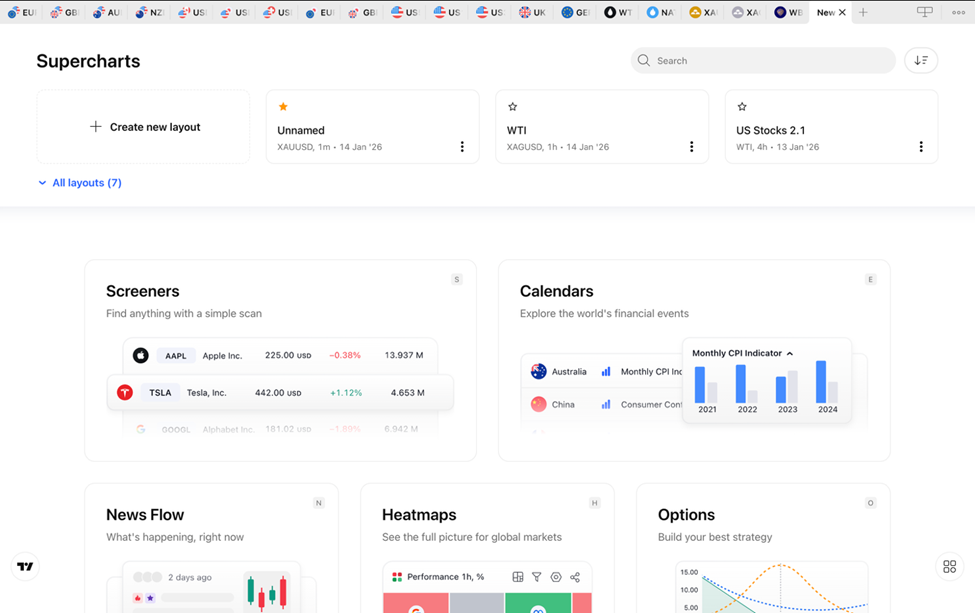 TradingView interface
 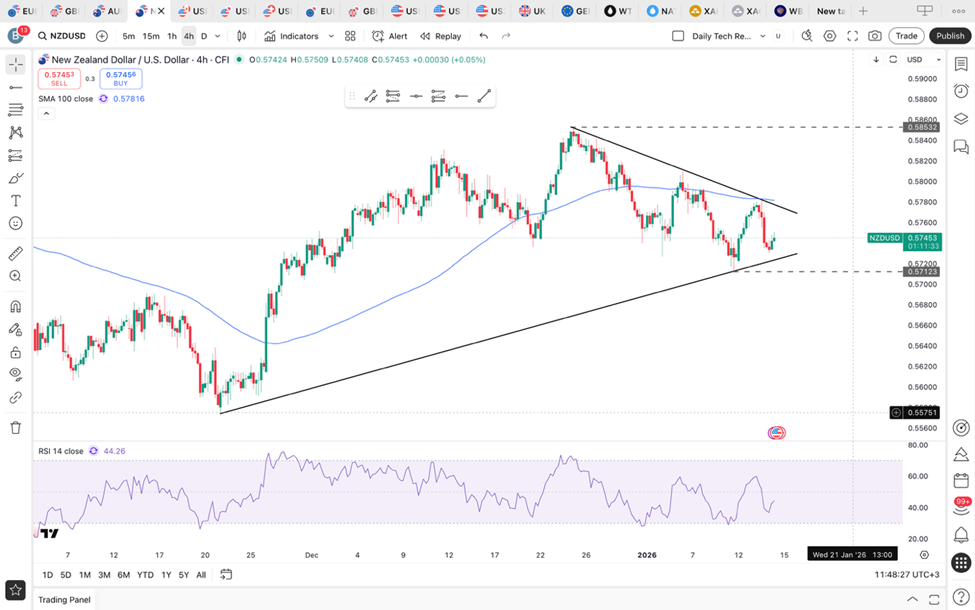 TradingView Chart showing NZDUSD pair analysis
 Market Data, Fundamentals, and Execution: TradingView vs MT5
Another valuable feature of TradingView platform is its all-in-one market dashboard. In addition to charting and social tools, it brings you access to a built-in economic calendar, upcoming earnings releases, and even company financials, all from within the same platform. This makes it easier for traders in Bahrain to stay informed on both macroeconomic events and individual fundamentals without switching between multiple tools or websites. It’s especially easy and convenient for those who want to combine technical analysis with fundamental analysis.
On the other hand, MetaTrader 5 is a more traditional trading platform with deep roots in the retail forex and CFD world. It is known for its fast execution engine, extensive order types, and algorithmic trading support. In contrast, MT5 provides only pure technical analysis and order execution, also when it comes to back‑testing and automation. Traders who rely heavily on algorithmic systems or want precise control over order execution often prefer MT5 because it allows strategies to be tested against historical data with significant detail.
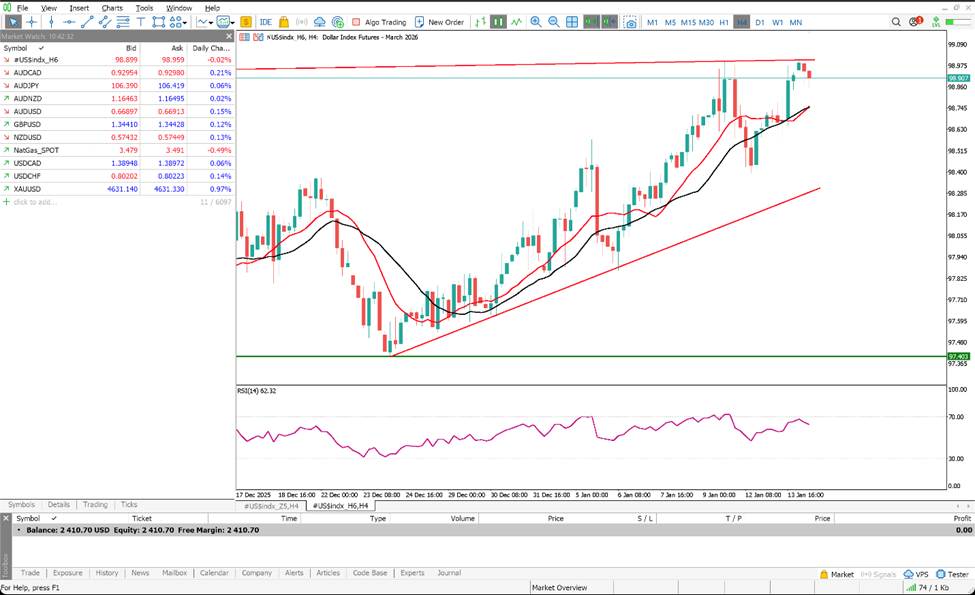 MT5 Desktop app interface showing US index on the background, and marketwatch list on the side
 Charting, Indicators, and Automation: TradingView vs MT5
For charting and analysis comparison, both platforms support technical indicators and chart customization, but they do so in different ways. For example, TradingView shines with its visual clarity and ease of use, like how the previous image of NZDUSD pair shows, its more modern looking and offers an extensive library of built‑in indicators while also allowing users to create custom scripts. With the MT5, its also powerful, and has a more traditional interface, the experience is not as visually modern as TradingView’s.
Now for automated systems, they are part of your trading approach, MetaTrader 5 has a clear advantage. Its support for expert advisors and native back‑testing tools allows you to evaluate strategies against historical price data, refine parameters, and even simulate execution with variable spreads.
TradingView also offers automation through integrations with brokers and third party tools, but it does not match MT5’s level of native support for automated execution.
Explore TradignView Platform in Bahrain with CFICommunity and Collaboration
One of TradingView’s standout, is its community ecosystem. Traders can publish trade ideas, join discussions, and follow top contributors like X platform (Twitter previously). This creates a a modern environment where you are constantly exposed to new perspectives, setups, and market interpretations.
in contrast, MT5 is a more private environment focused on execution rather than collaboration. While there are forums and groups related to MT5 platform, mt5 itself does not incorporate social trading features in the same way.
Conclusion:
To conclude, your choice between TradingView and MetaTrader 5 comes down to your trading style and priorities:
Go with, TradingView if you prioritise modern, visual charting, ease of use, and community driven analysis.
Else, go with MetaTrader 5 if you favour fast/easy order execution, algorithmic trading, in‑depth strategy testing, and a more traditional trading environment.
Or go with both, many traders end up using both TradingView for analysis and idea generation, and MT5 for order execution and automation. This combination lets you capitalise on the strengths of both platforms without compromise.