



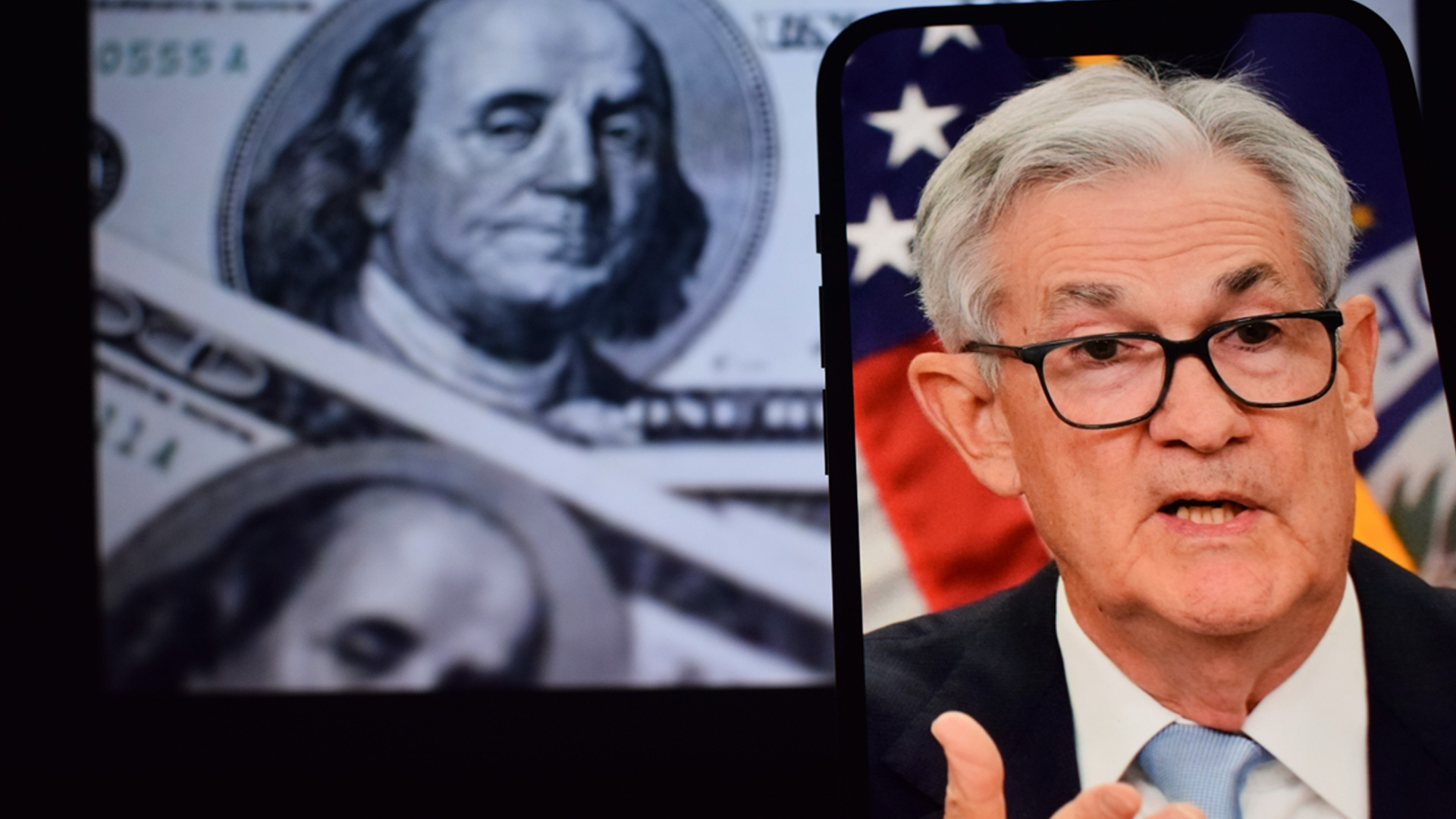
Powell warns of the current economic situation, calling it a “mini stagflation”:
Growth is slowing, jobs are declining, while inflation continues to rise. In a speech before the Providence Chamber of Commerce in Rhode Island, Powell stressed that current conditions pose an added challenge for monetary policy and warned that risks are now twofold.
Easing could keep inflation elevated for longer, while excessive tightening may weaken the labour market. Powell noted that labour market weakness now outweighs concerns over persistently high inflation, adding that the Federal Reserve’s current priority is to protect jobs—even if inflation remains above target.
OECD Backs Powell’s Stagflation Warning
The Organisation for Economic Co-operation and Development supported Powell’s view that the full impact of tariff hikes has not yet been fully reflected in the economy. OECD Secretary-General Mathias Cormann said the effects of these tariffs will become more visible once companies deplete the inventories they had built up in anticipation of the tariff measures.
U.S. Administration: The Economy Is in Good Shape
By contrast, the U.S. administration maintains that the economy is in a positive state, showing resilience despite tax laws, immigration policies, and tariffs. It argues that these factors actually support economic growth and job creation. The administration continues to press for more aggressive rate cuts by the Fed, on the grounds that this would help reduce the already high cost of servicing U.S. debt.
Agree or Disagree?
Do you agree with Powel’s stagflation warning that the Federal Reserve’s monetary policy has helped avert economic risks and that current rates are close to the neutral level? Or do you side with the administration’s view—that the Fed’s actions risk shocking the economy, undermining confidence in economic and political institutions, and that the central bank has been far too slow to adjust interest rates?